

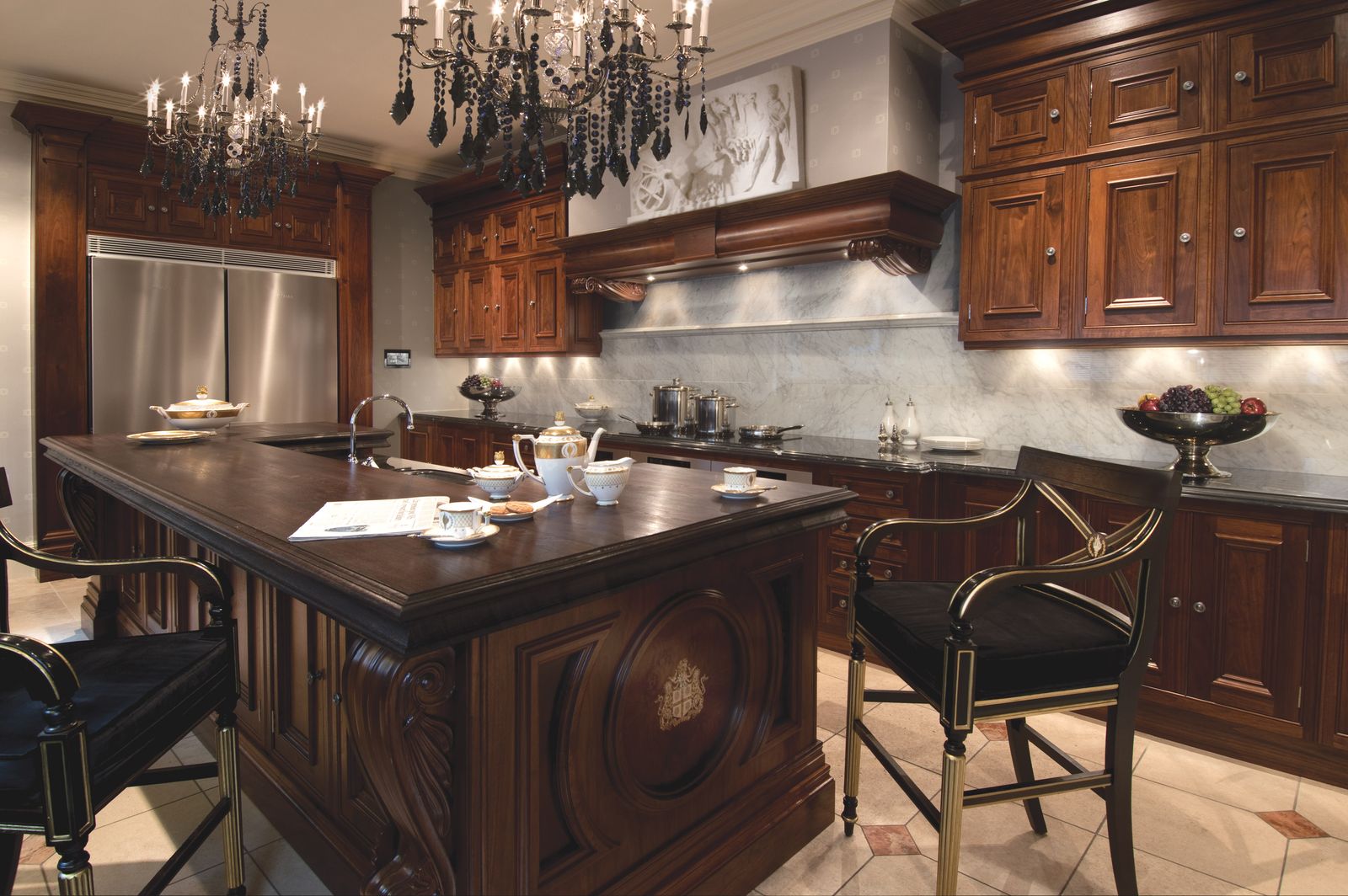
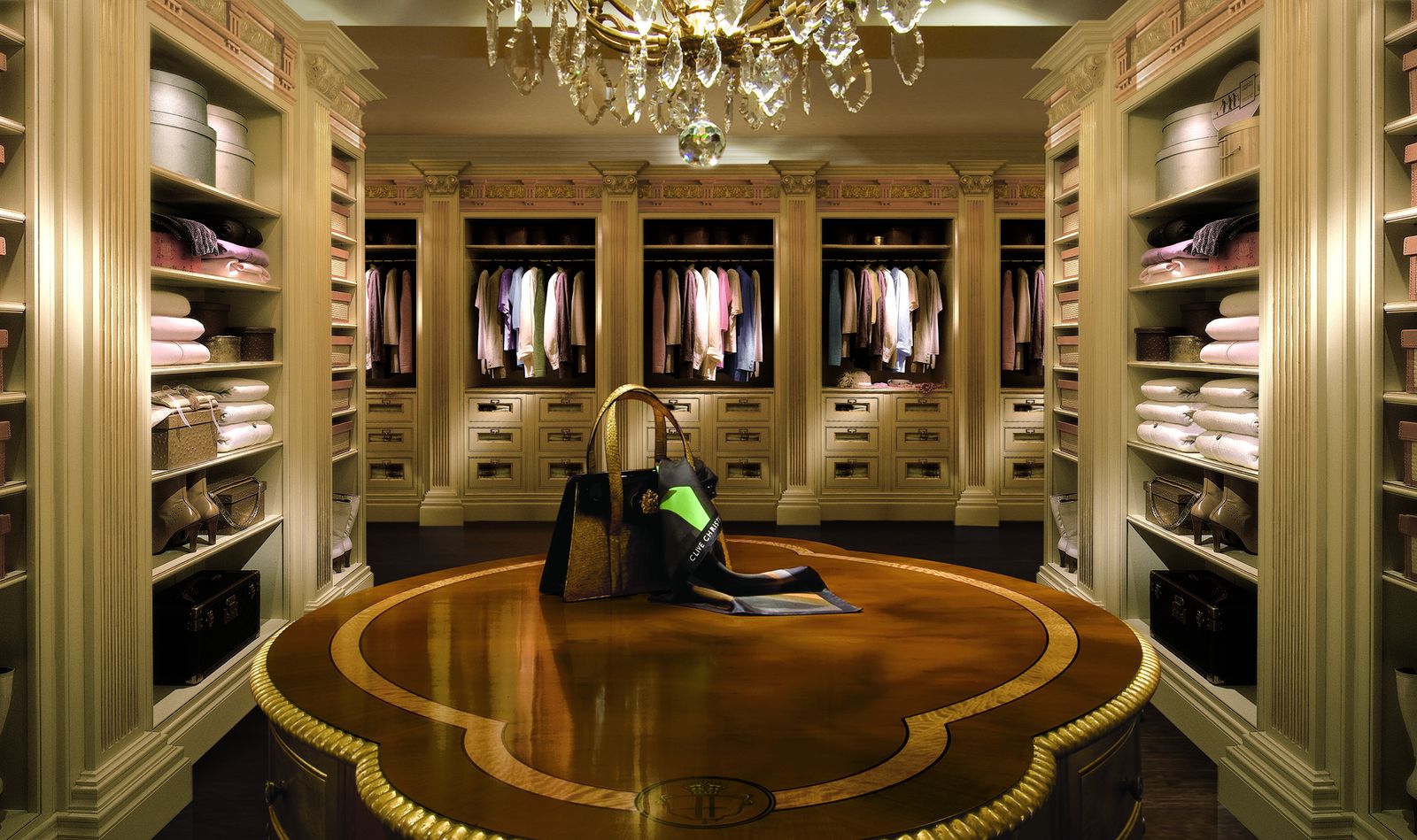
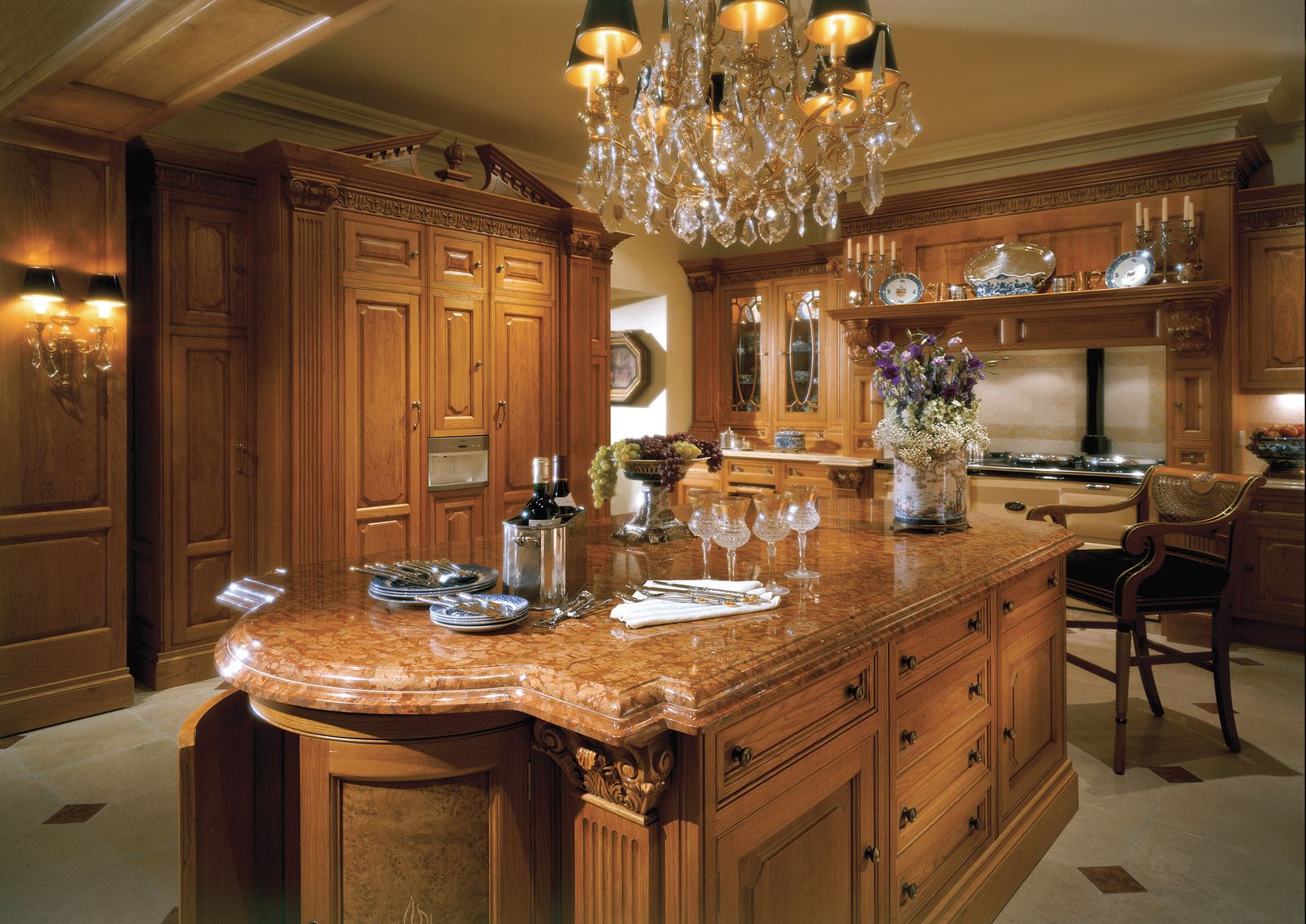
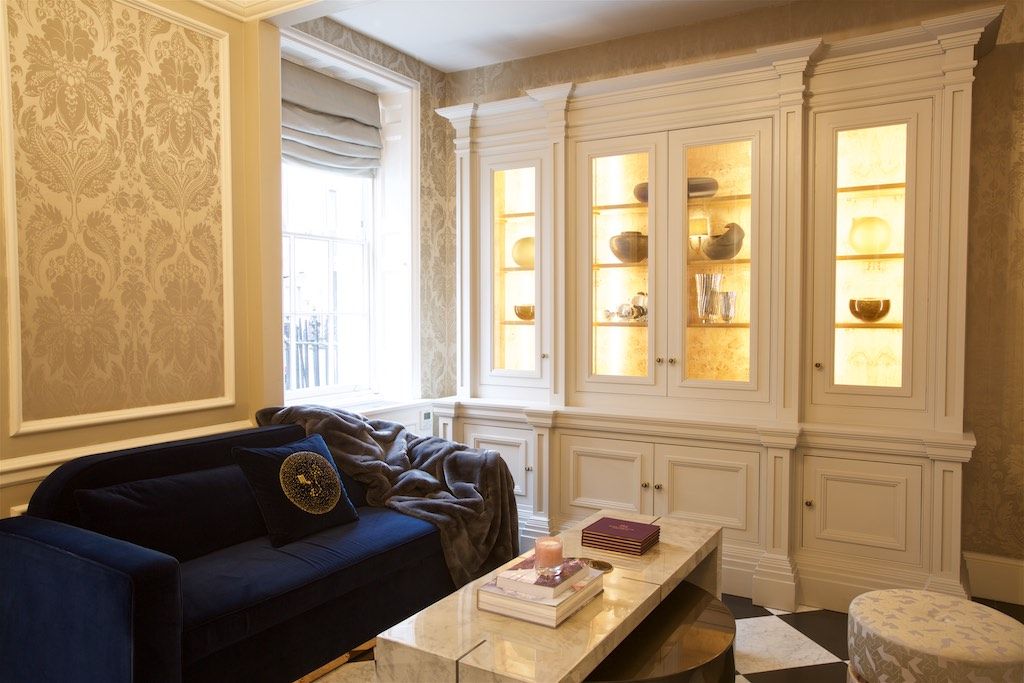
Marquetry and inlay.
Two old crafts, one rule: the right veneer in the right place.
Marquetry and inlay, in brief.
Marquetry
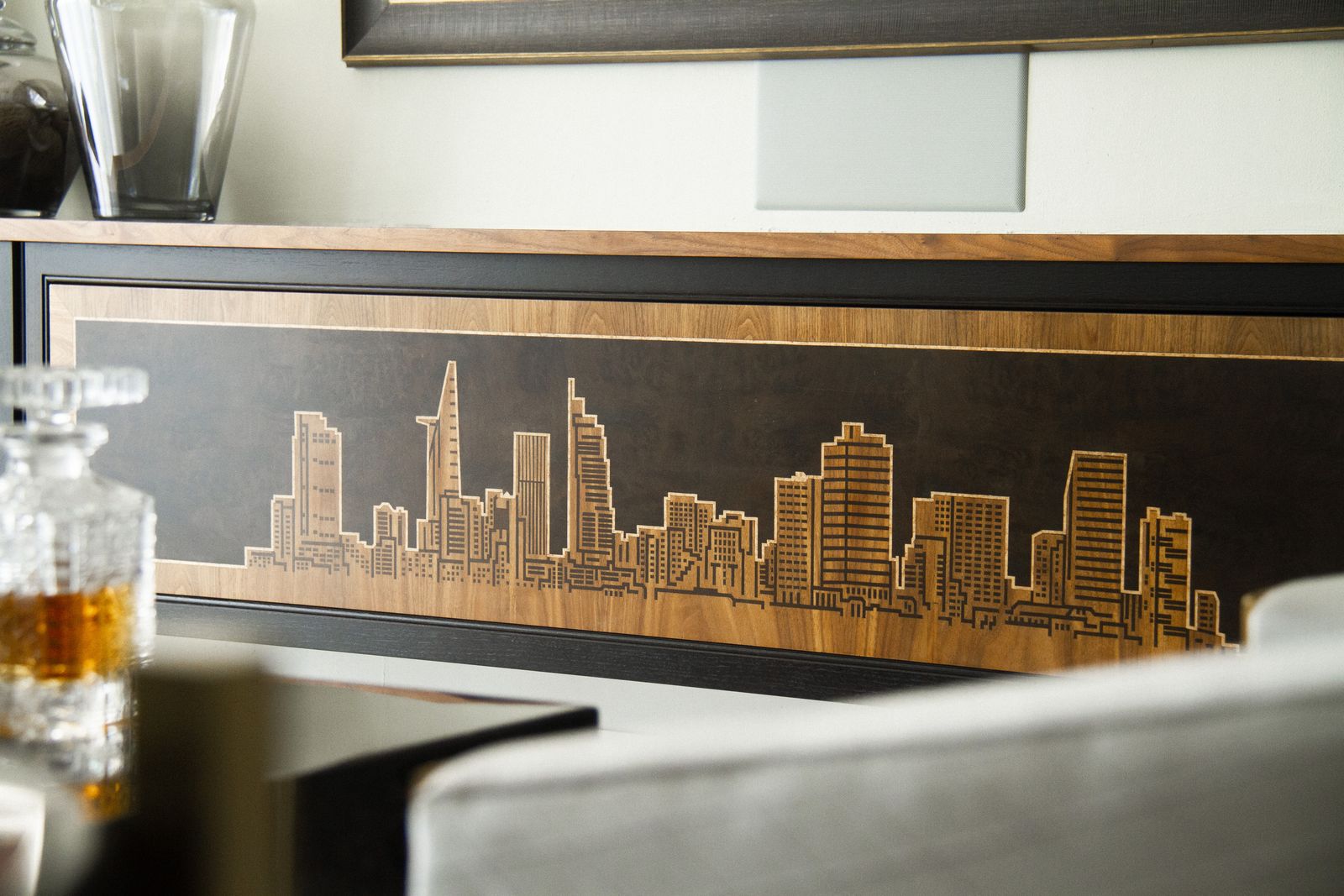
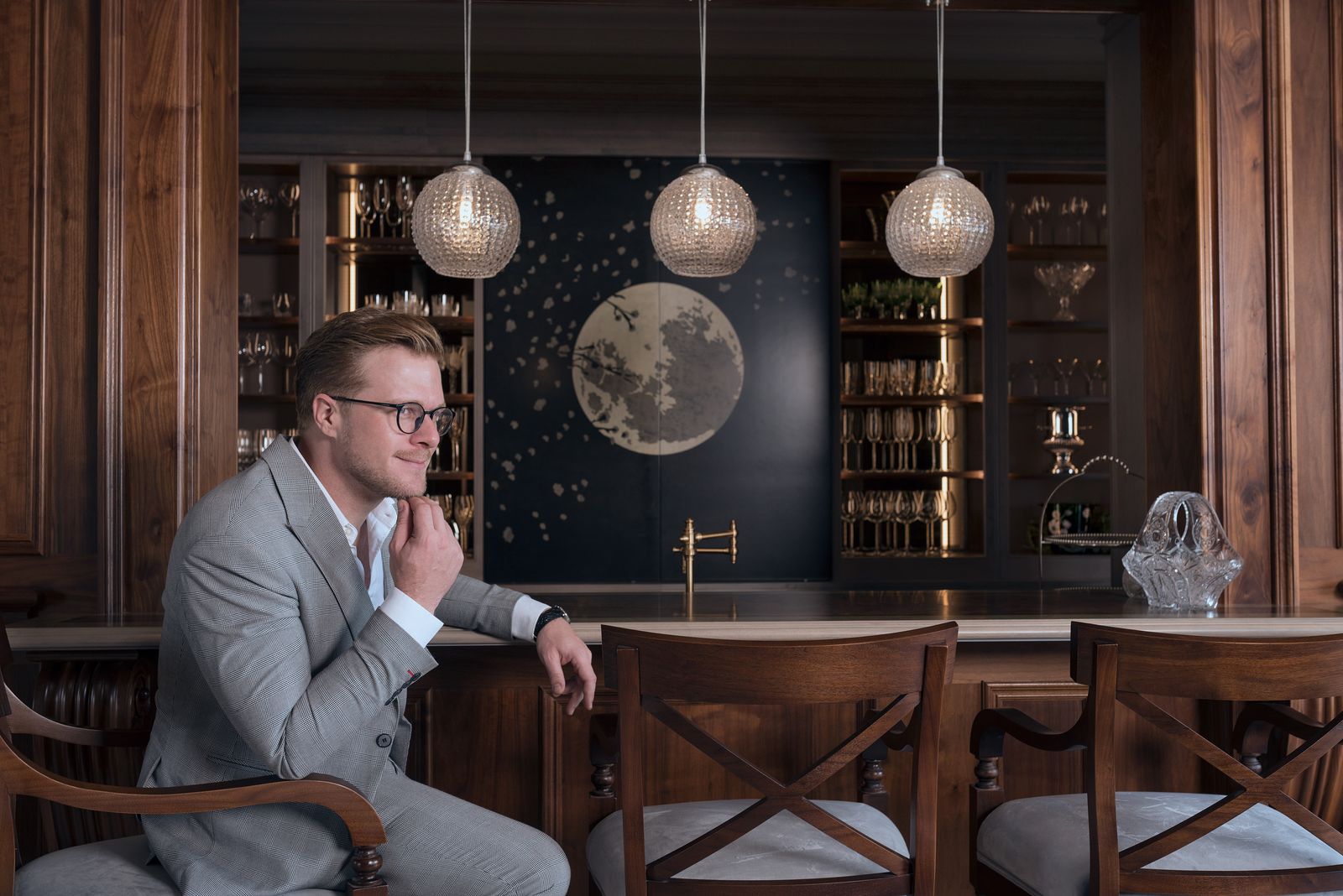
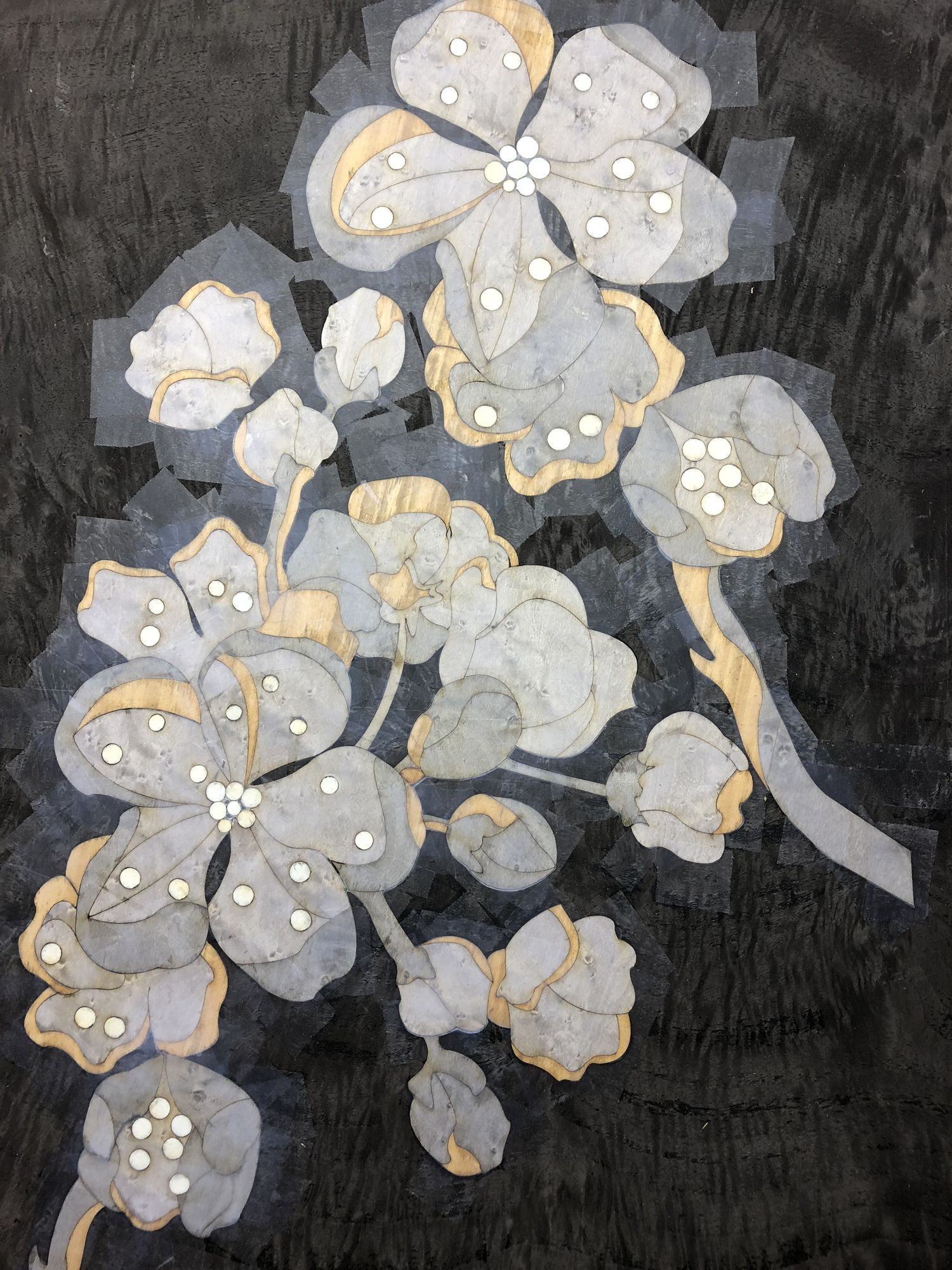
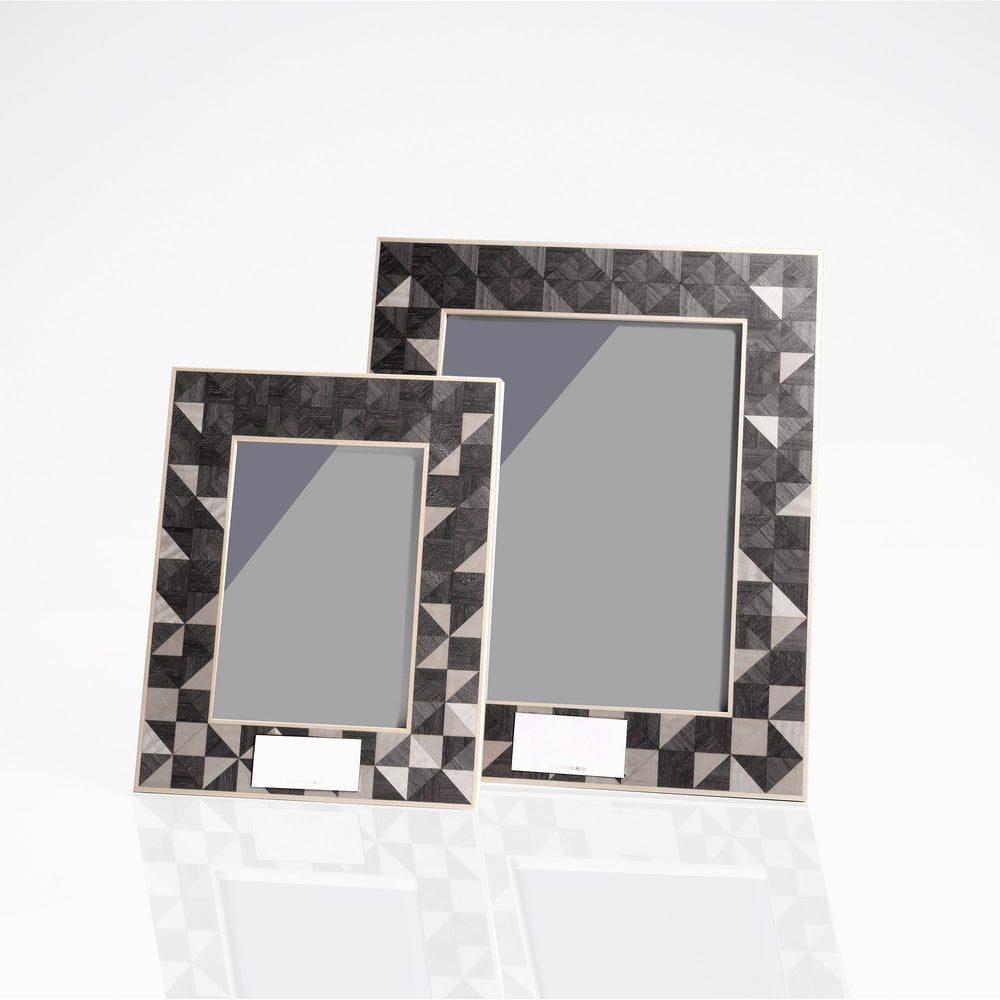
Veneers are cut into pieces and laid together to form a picture on a ground.
Inlay
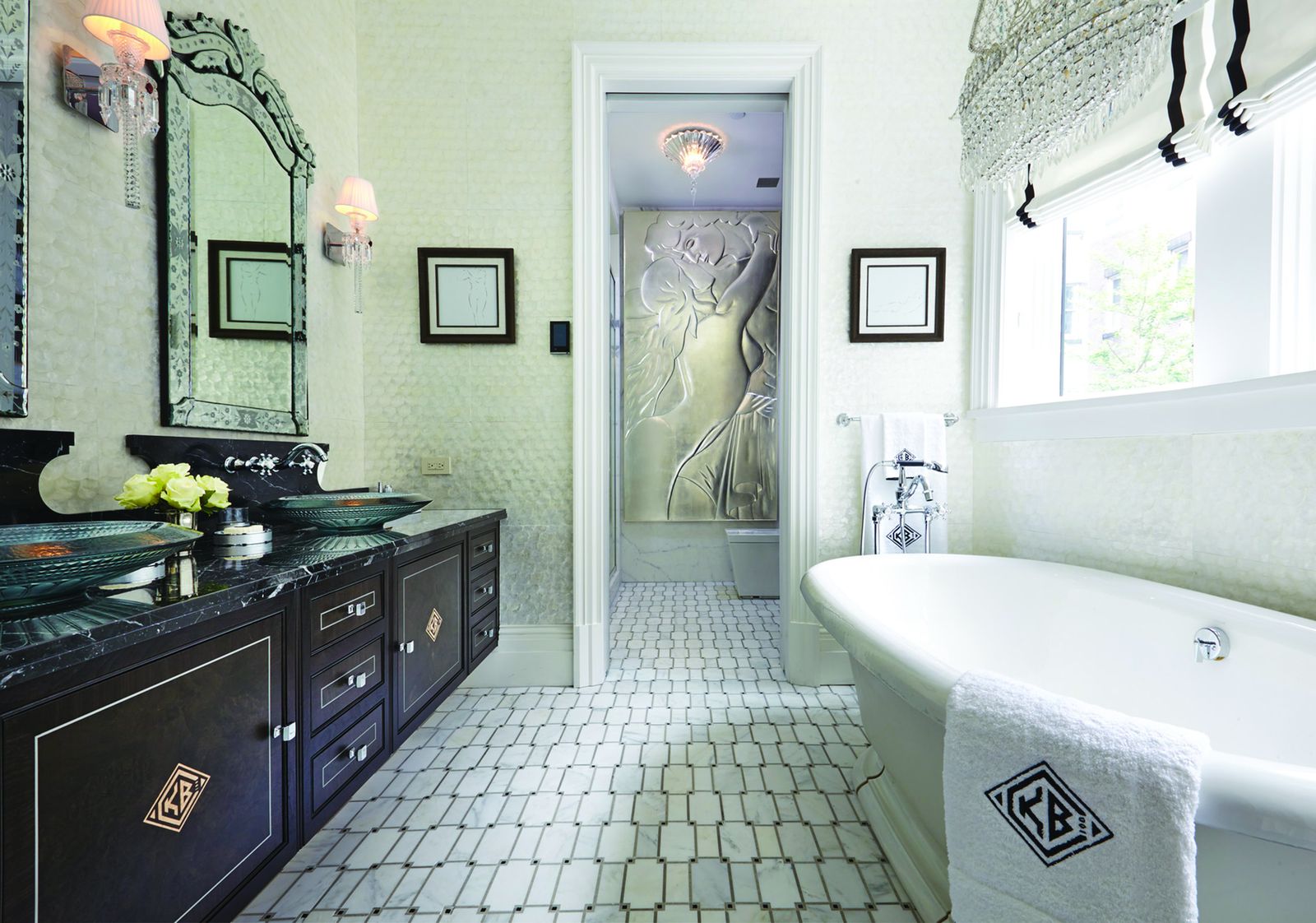
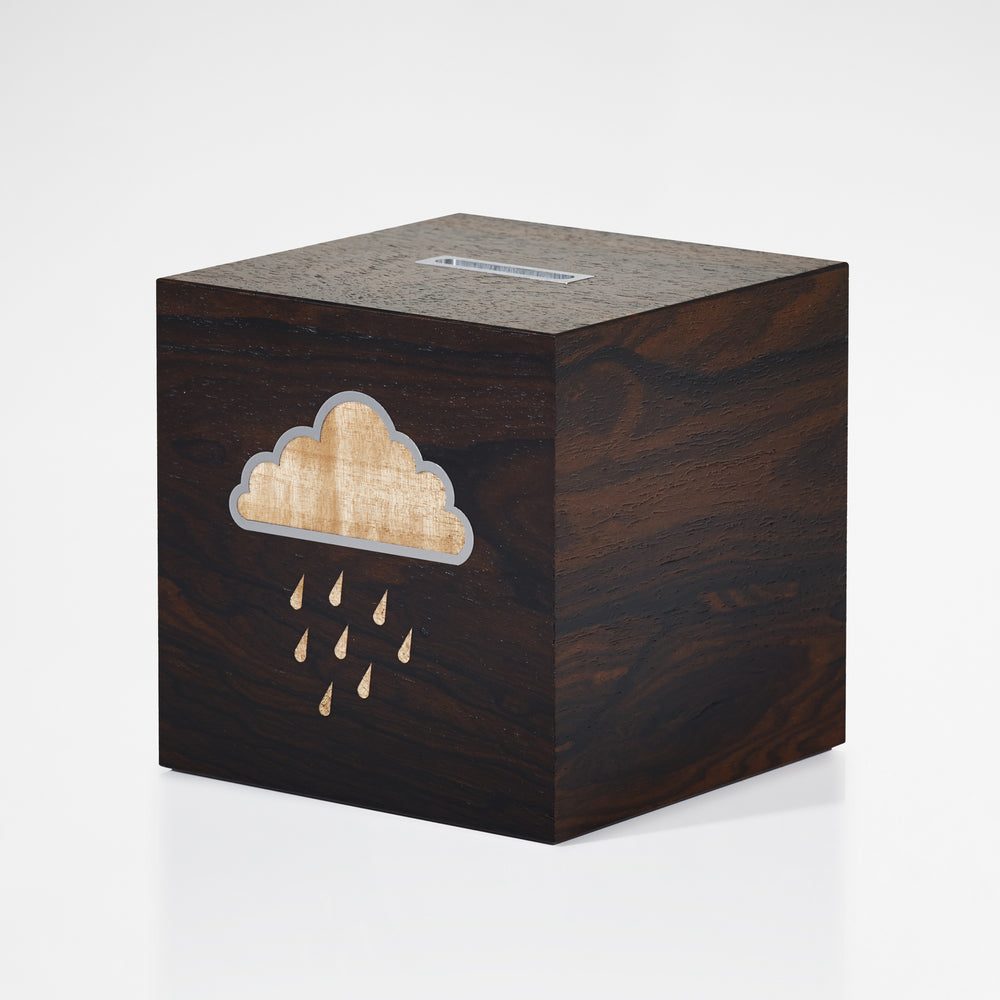
A material is set into a cut channel, flush with the surface.
Both
Patience comes first: each piece is chosen, cut and set by hand.
From drawing to surface.
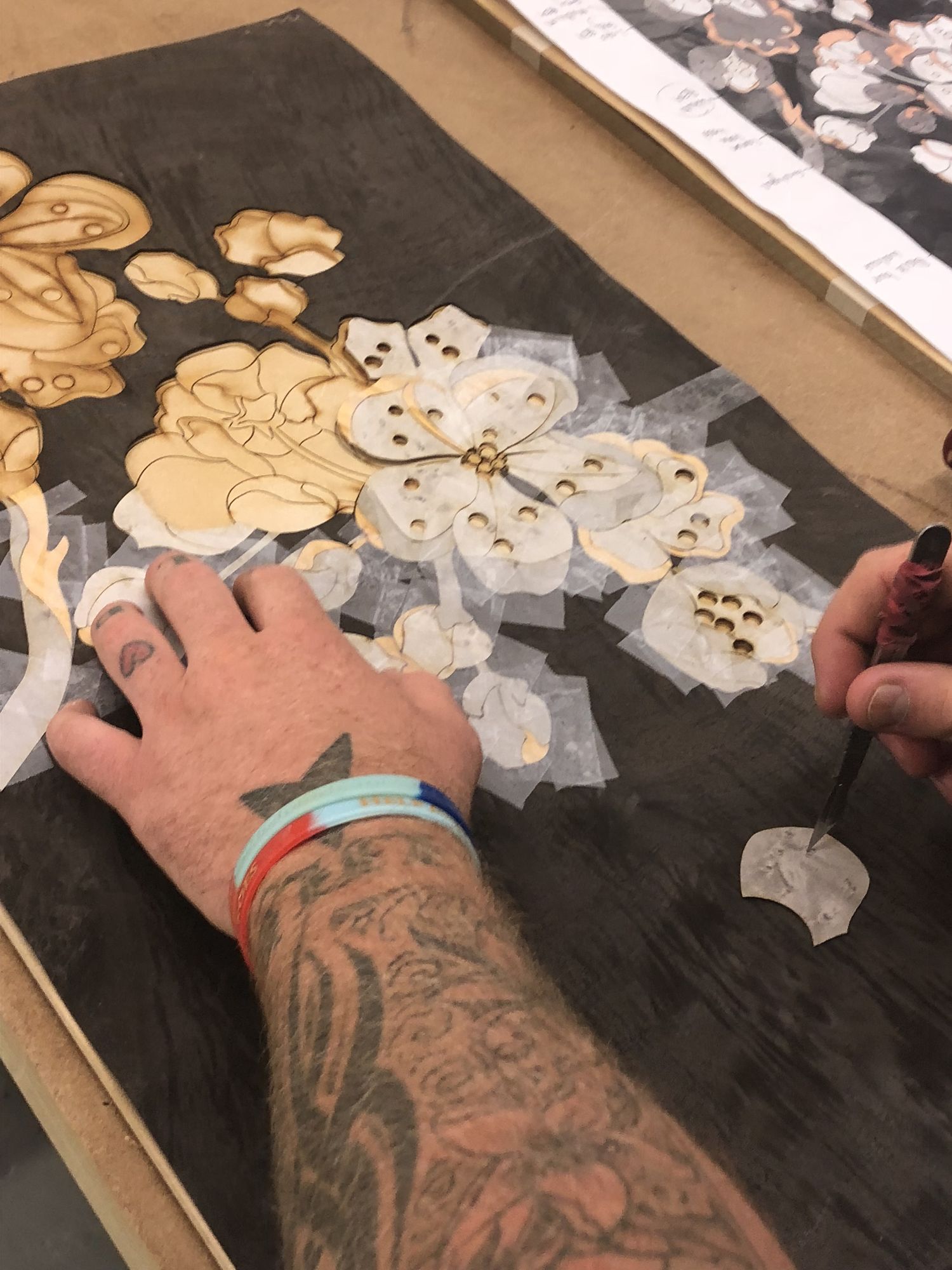
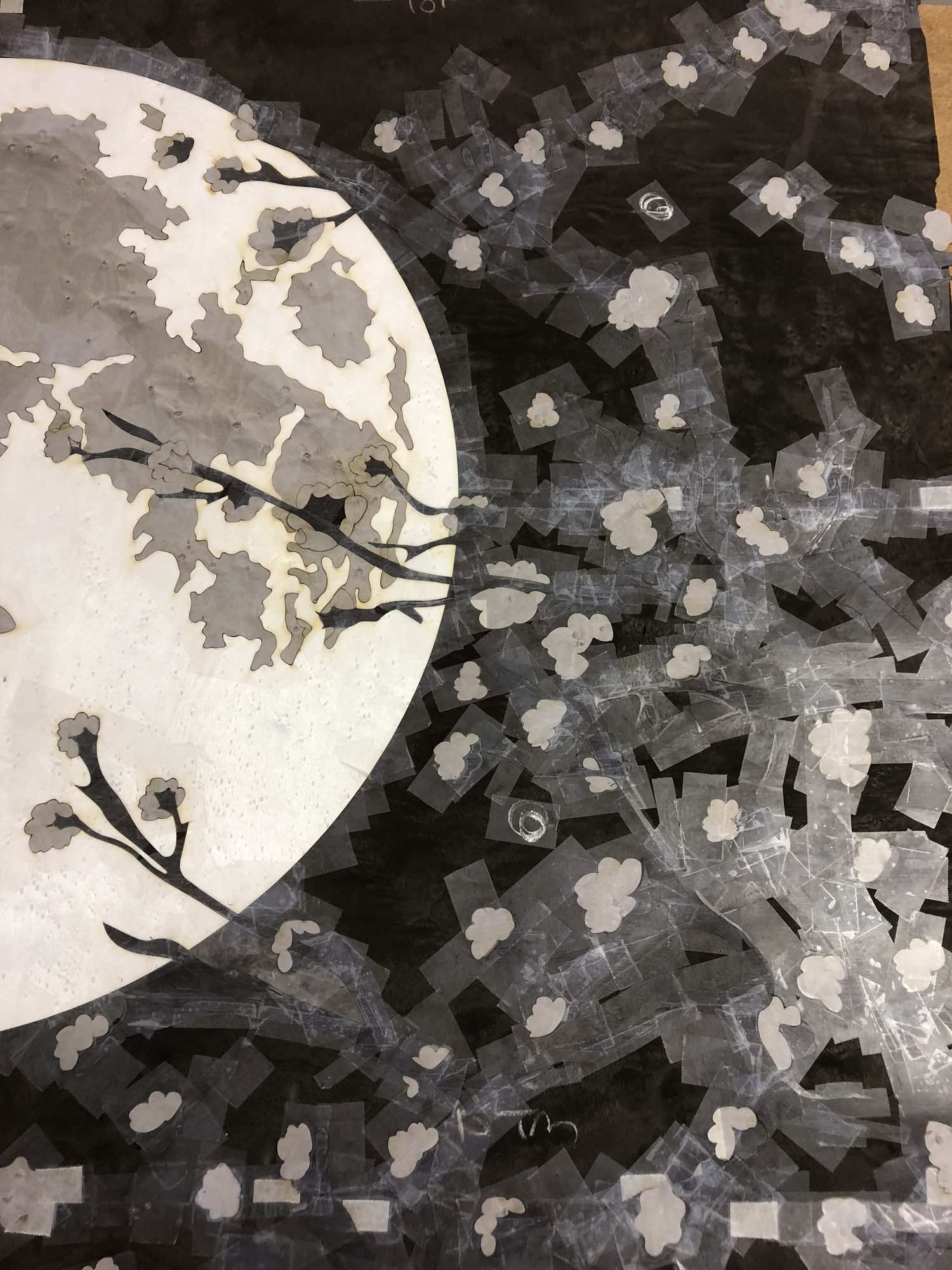
Marquetry asks for patience: veneers chosen leaf by leaf, cut, shaded and set by hand.
- 01
Drawn for the room
Each pattern is drawn for the wall or table that will carry it.
- 02
Veneer chosen
Leaves are matched for grain and tone before a single cut is made.
- 03
Cut to the line
Each piece follows the drawing, so that the joins close tight.
- 04
Shaded
Pale and dark veneers are set so that the picture reads from across the room.
- 05
Set and pressed
Pieces are laid by hand on the ground, then pressed flat until the glue holds.
- 06
Finished by hand
The surface is sanded and finished in layers before it leaves the workshop.
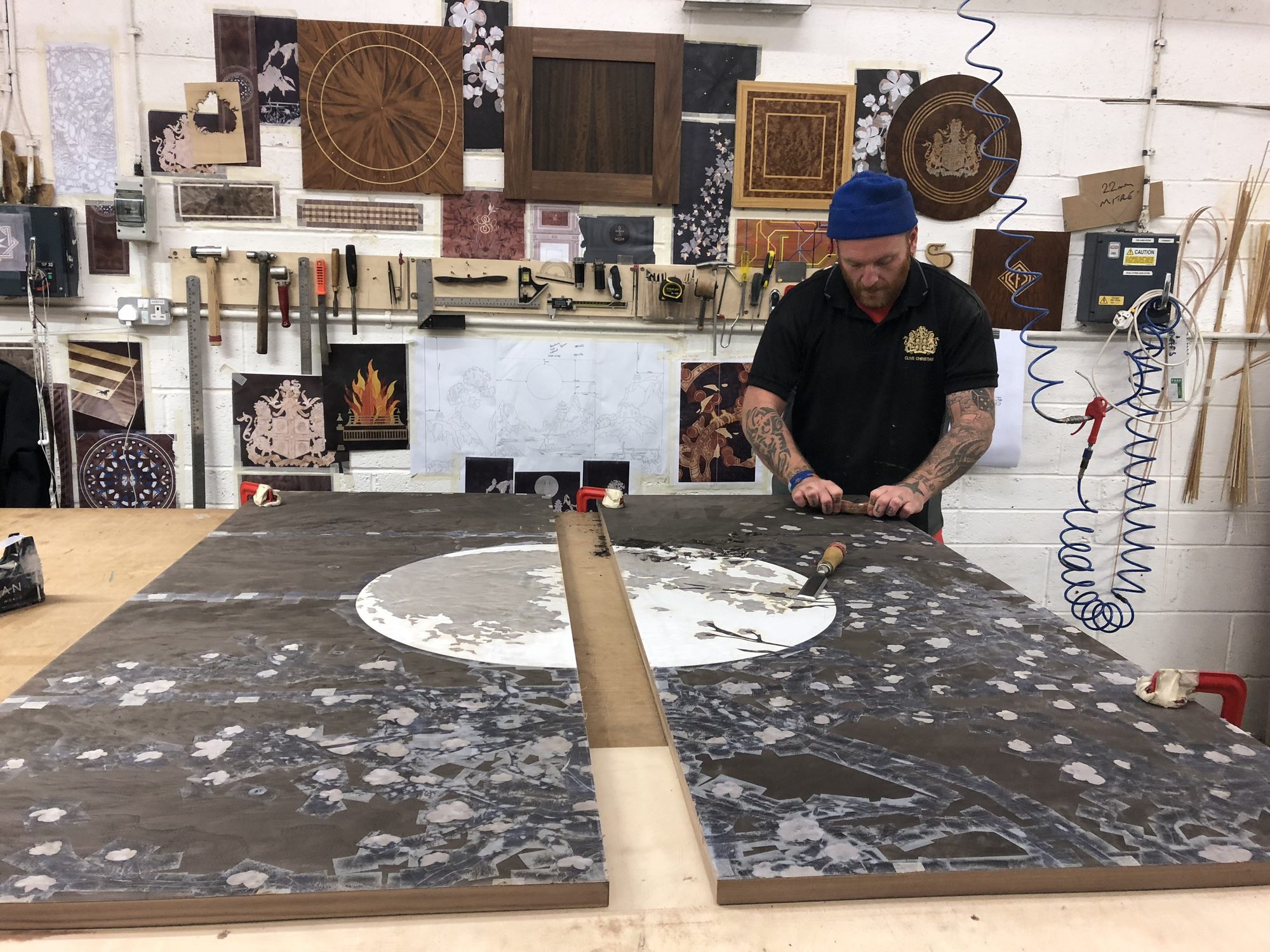
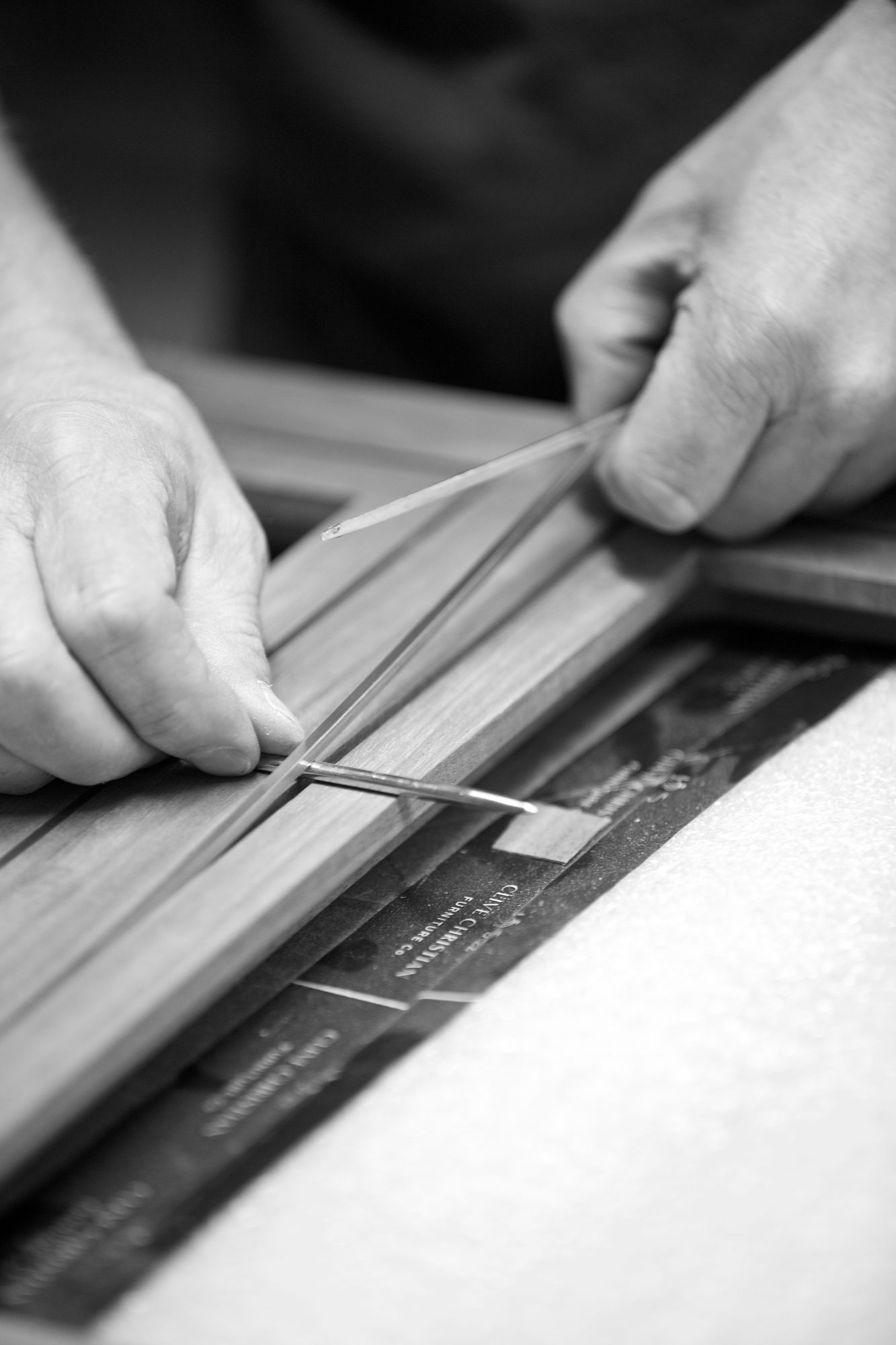
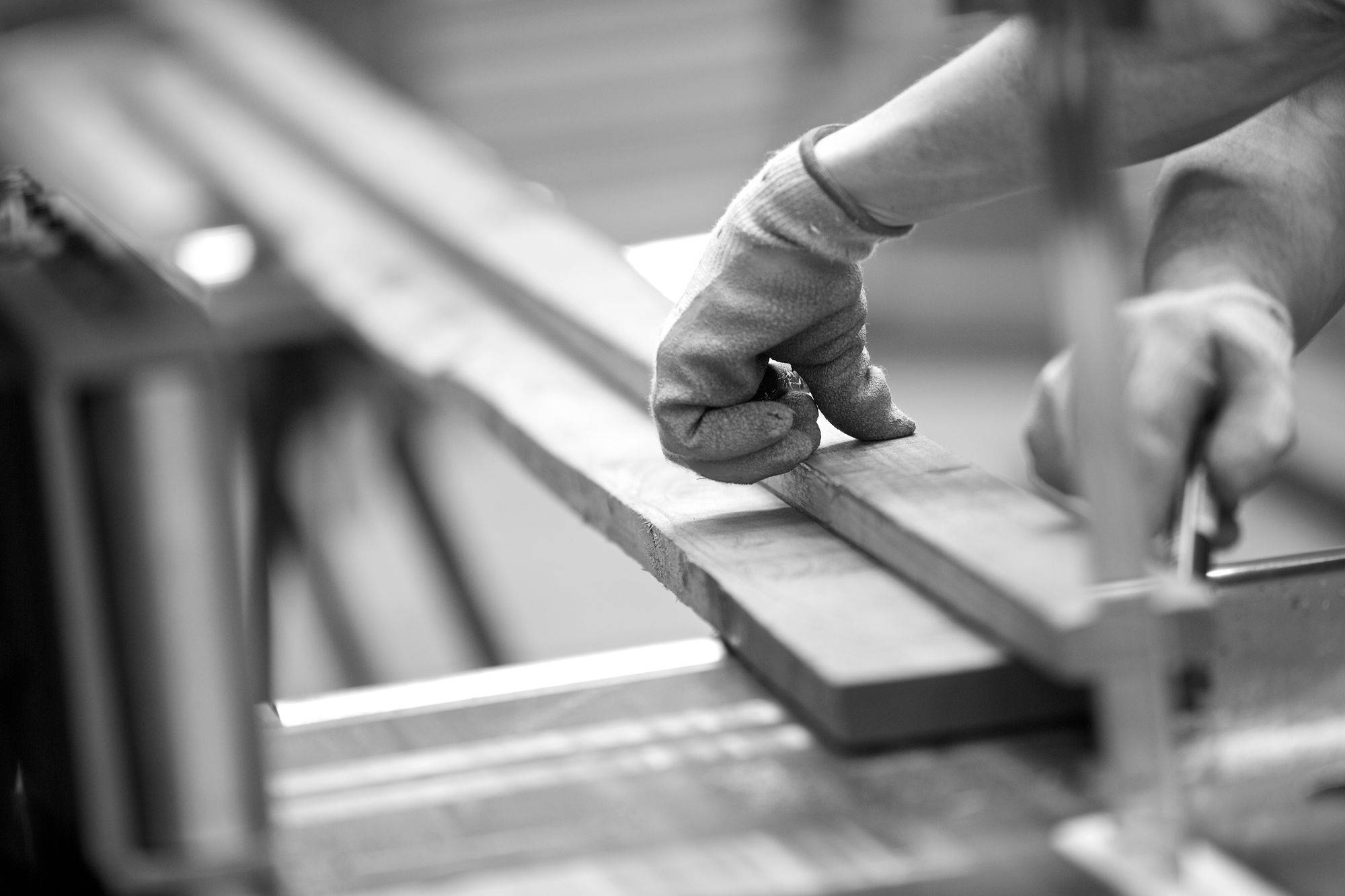
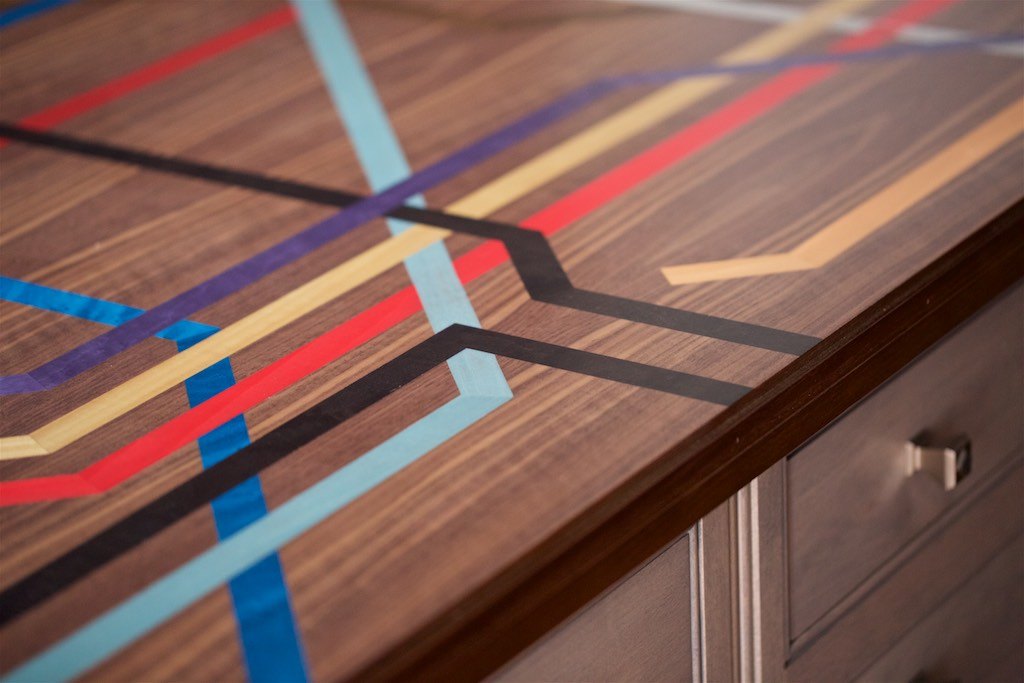
Materials, chosen for the room.
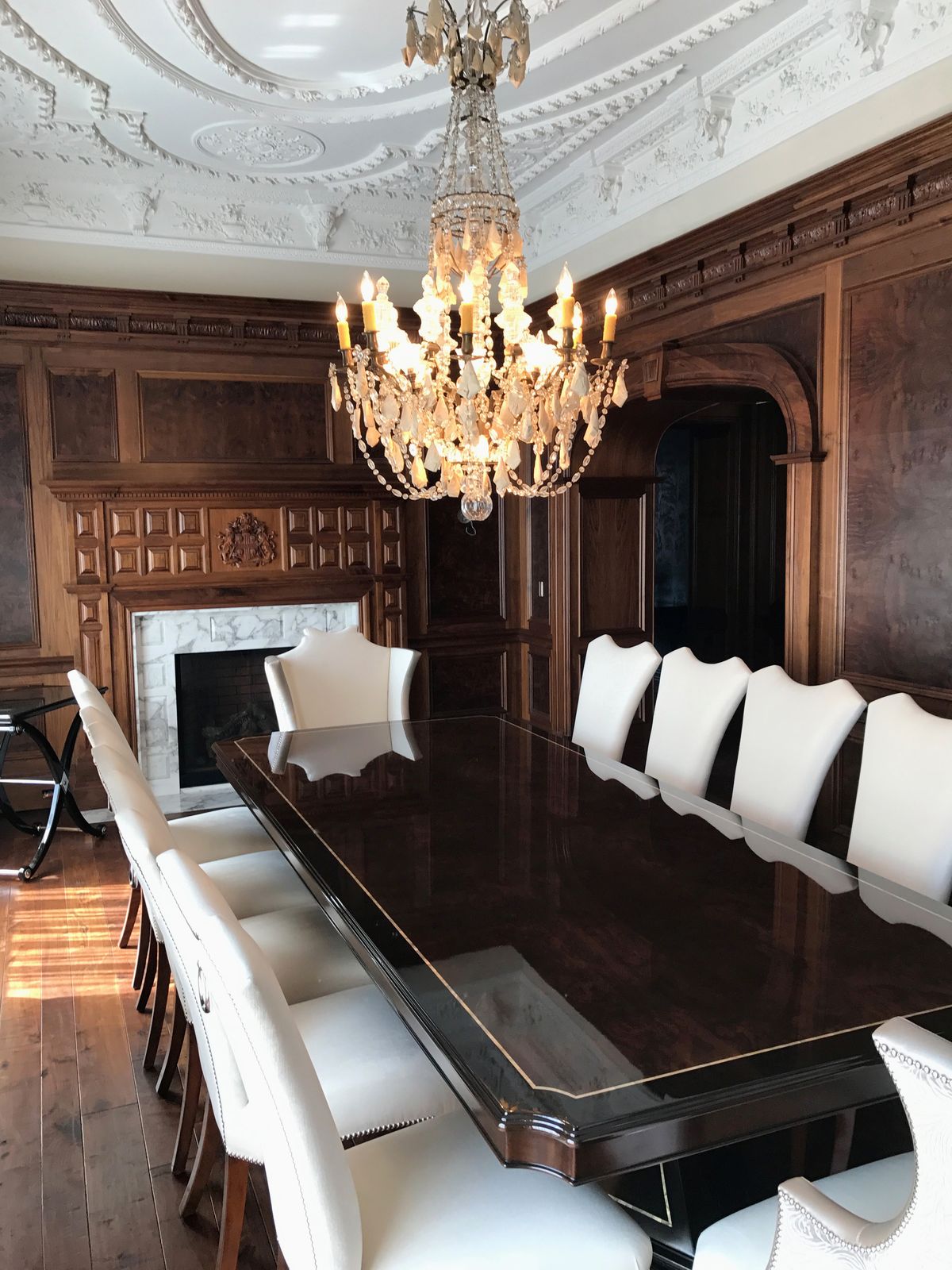
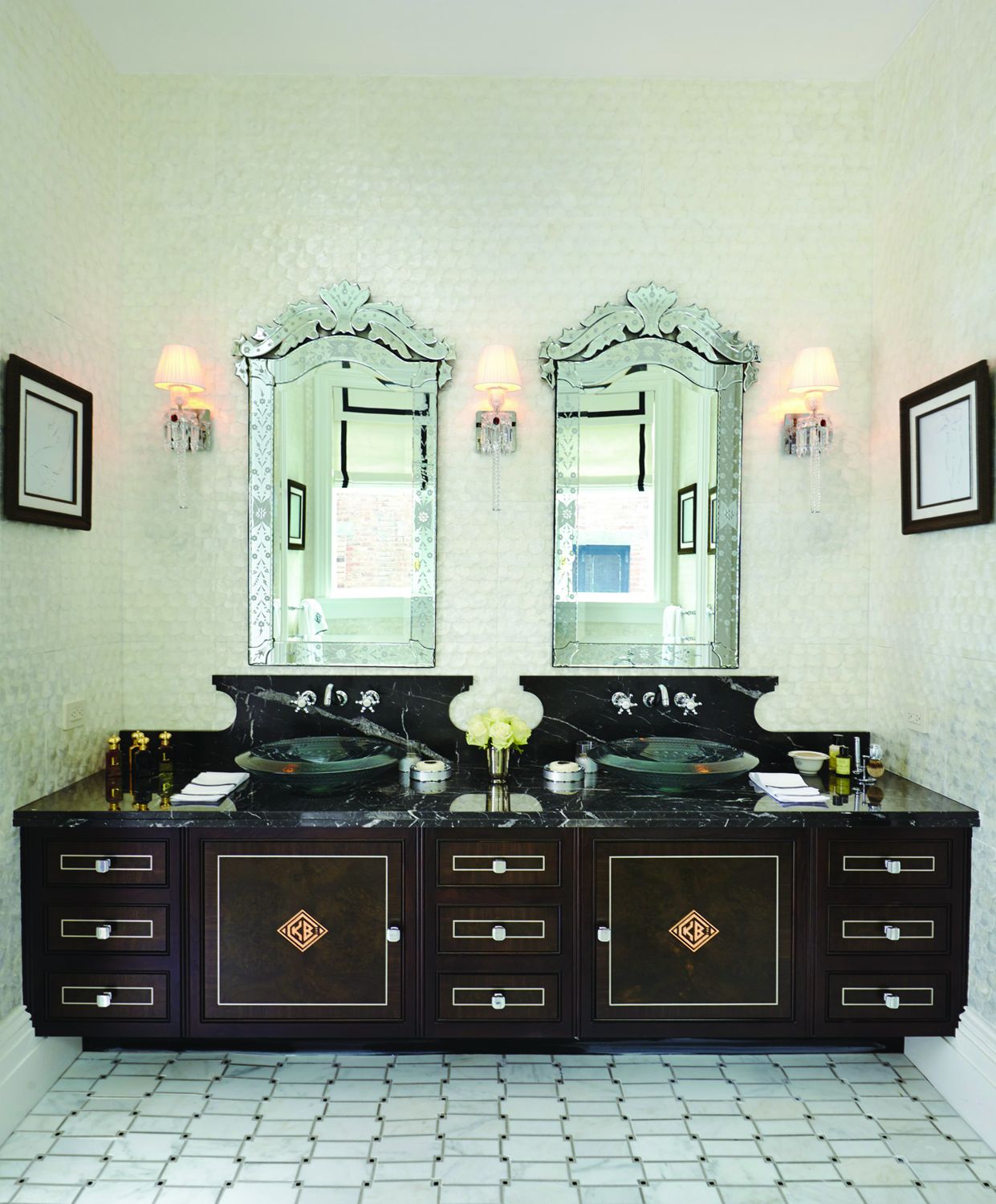
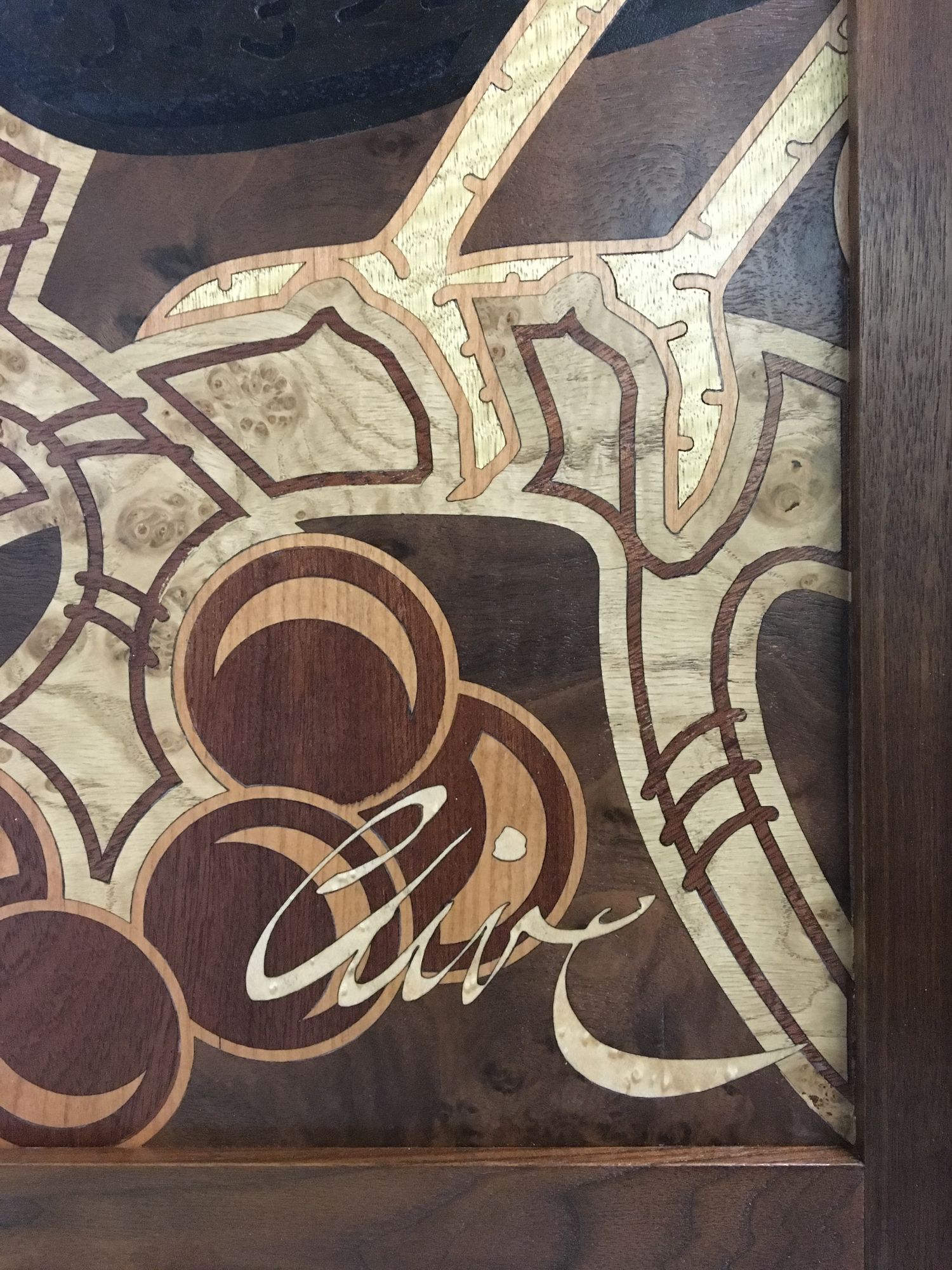
Walnut, burl veneer, ebonised timber, and mother-of-pearl where a design calls for it. We use only what the workshop can cut and finish well.
Where it goes.
Panels and walls
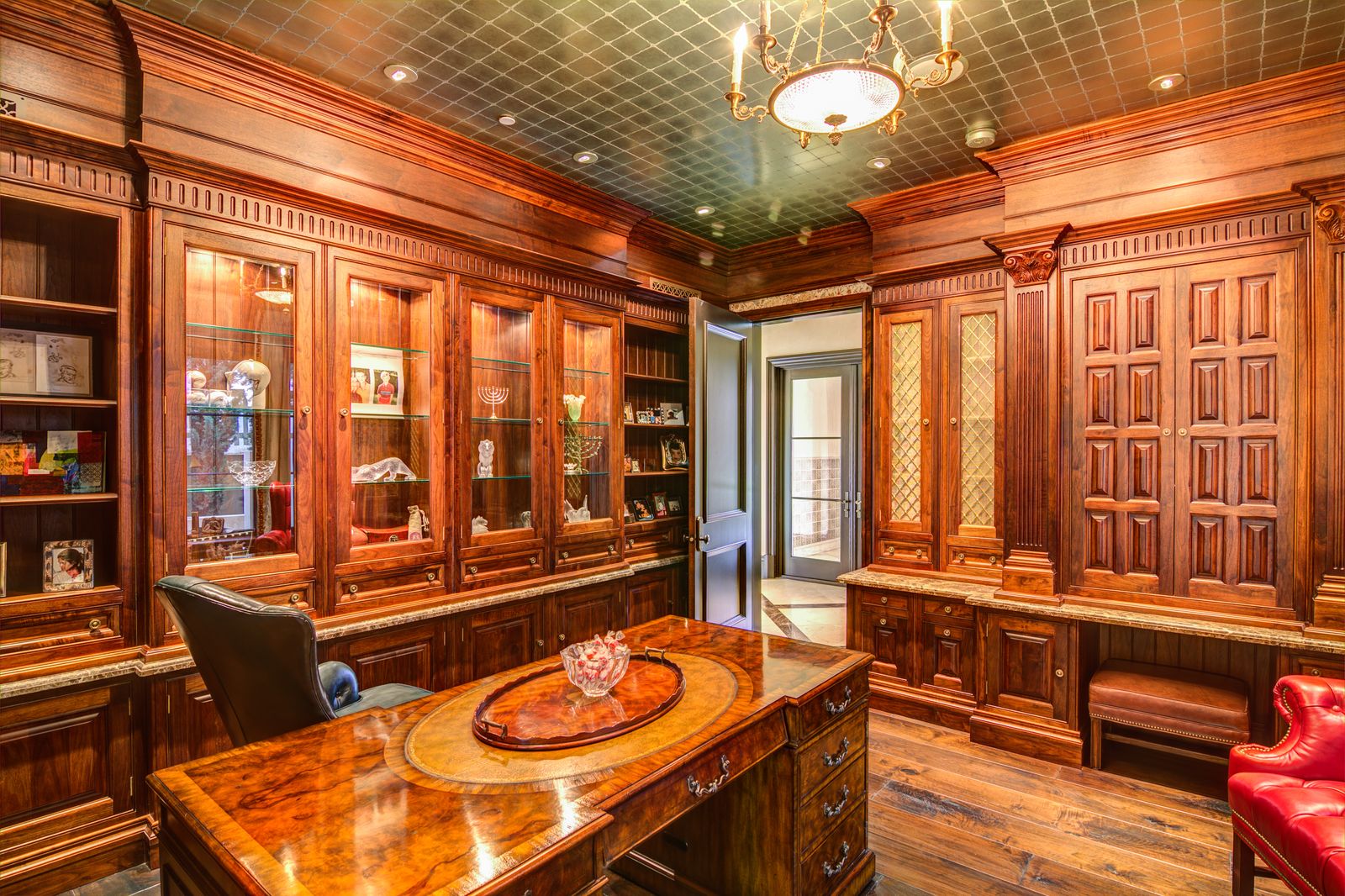
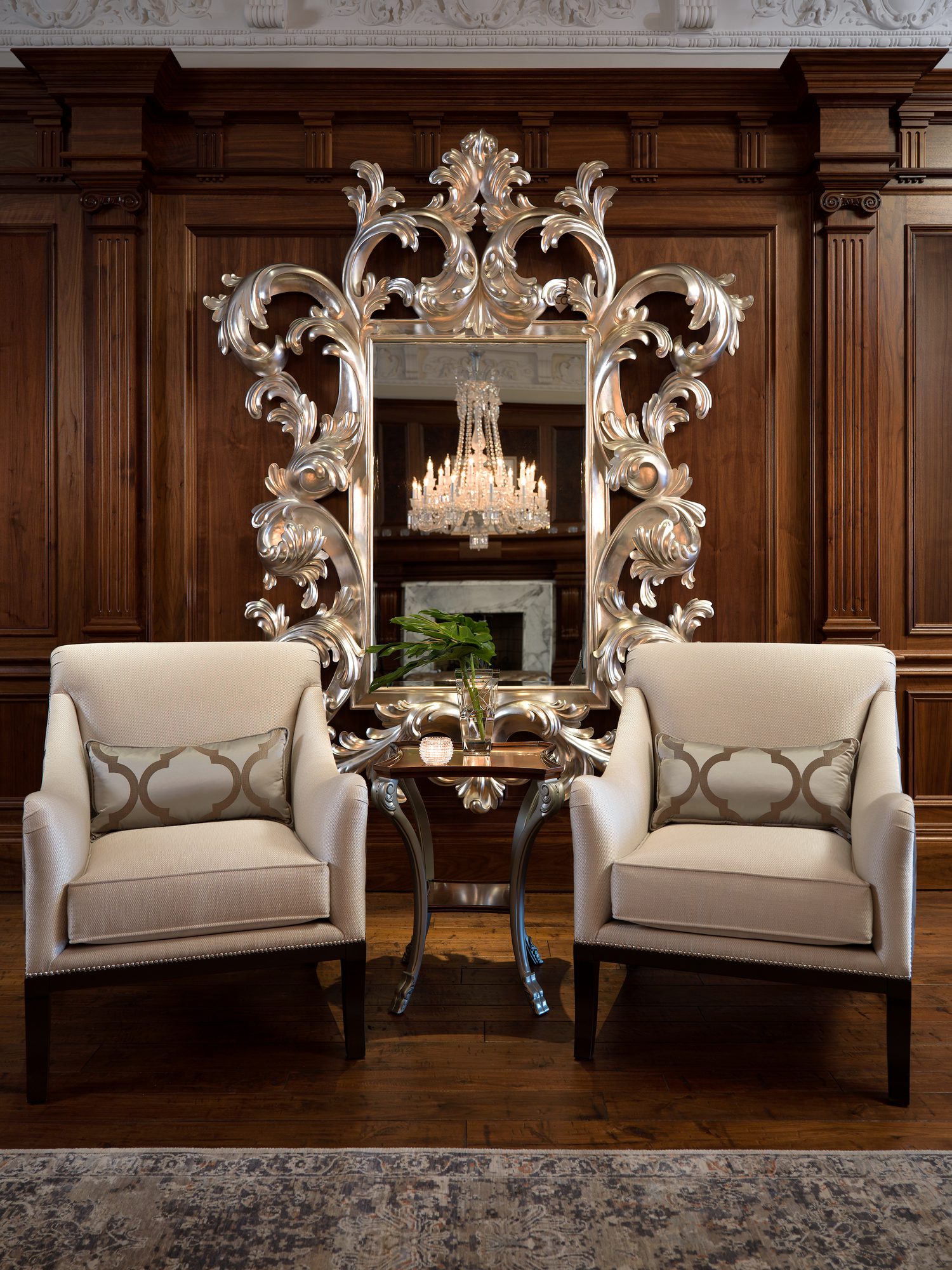
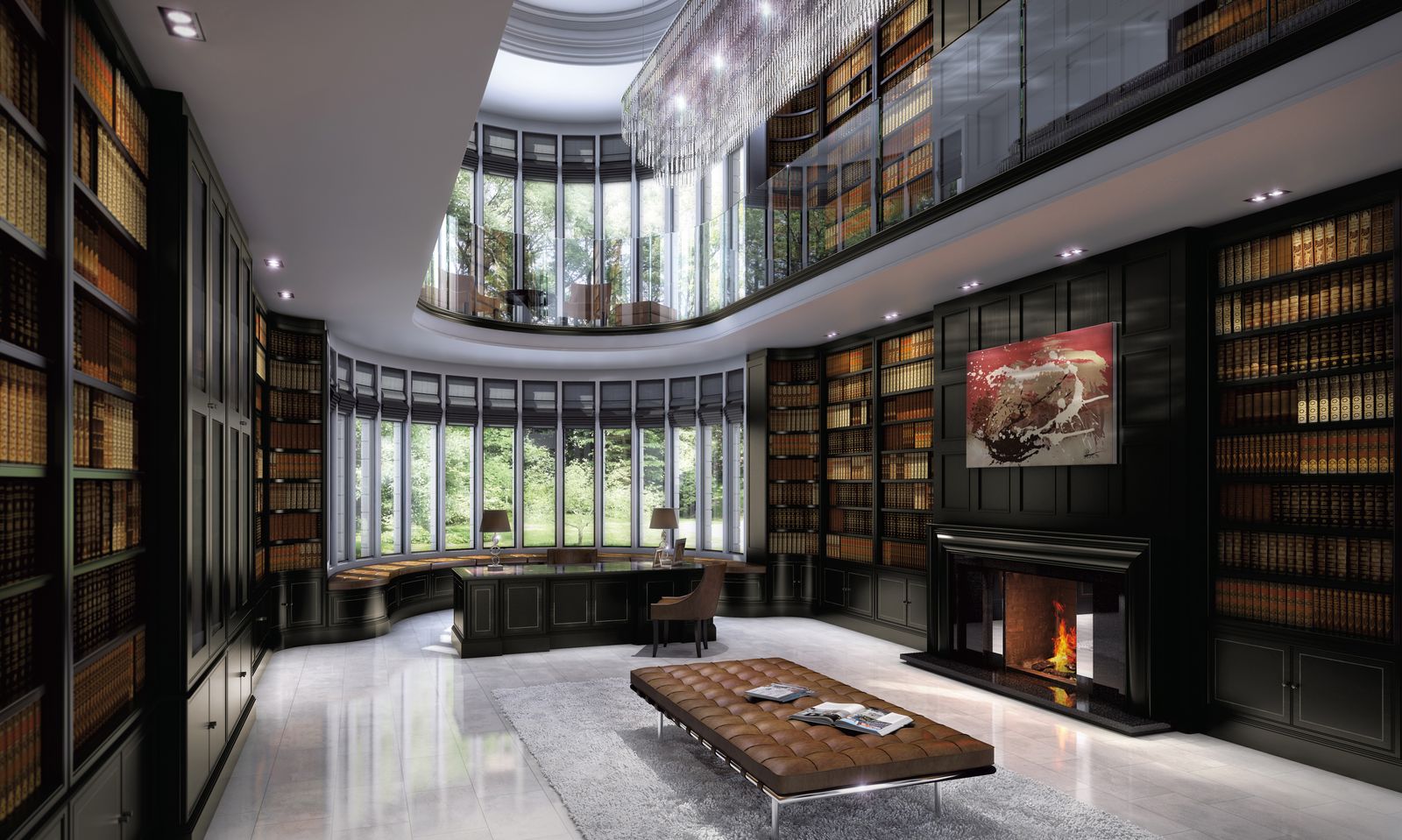
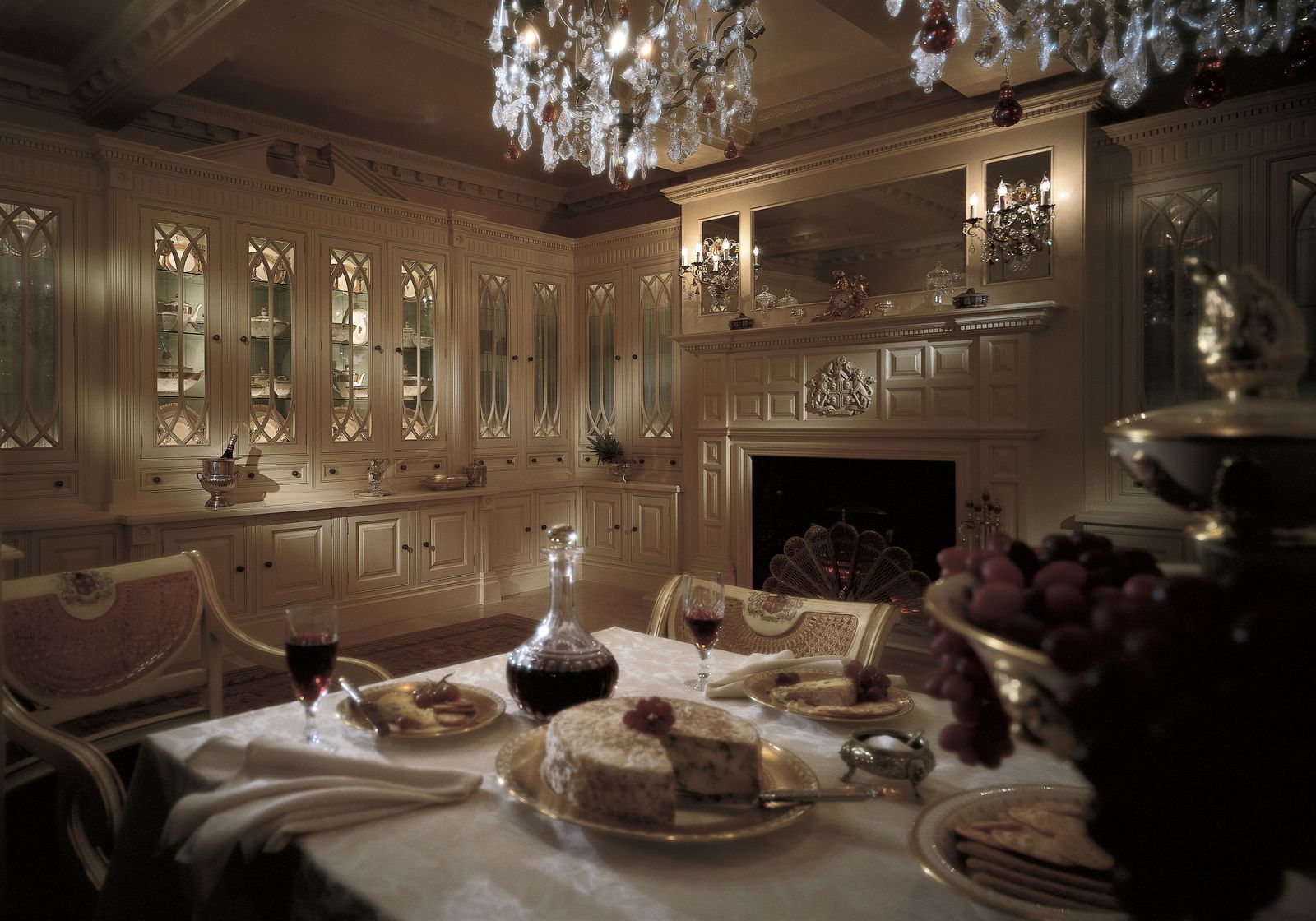
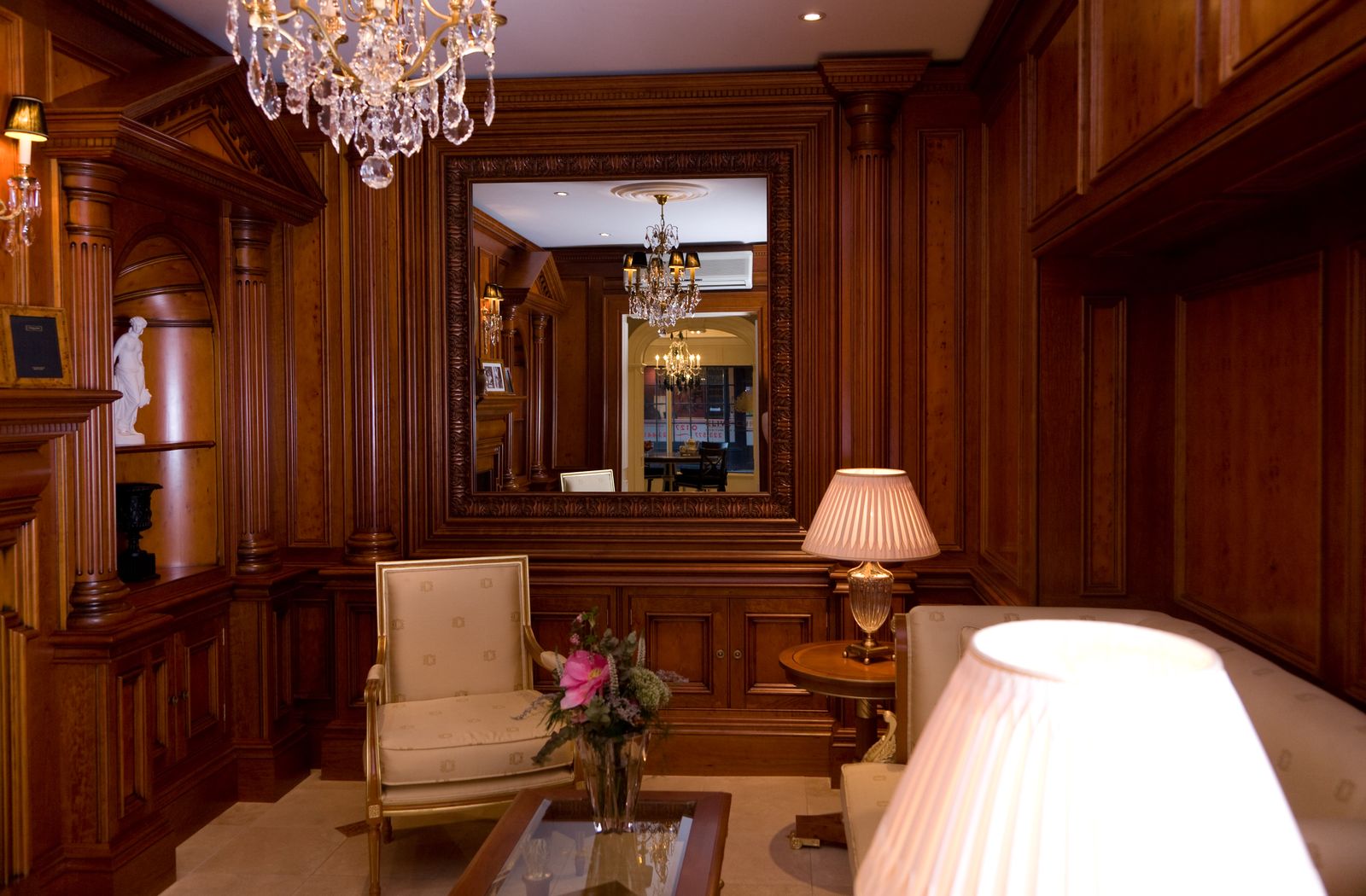
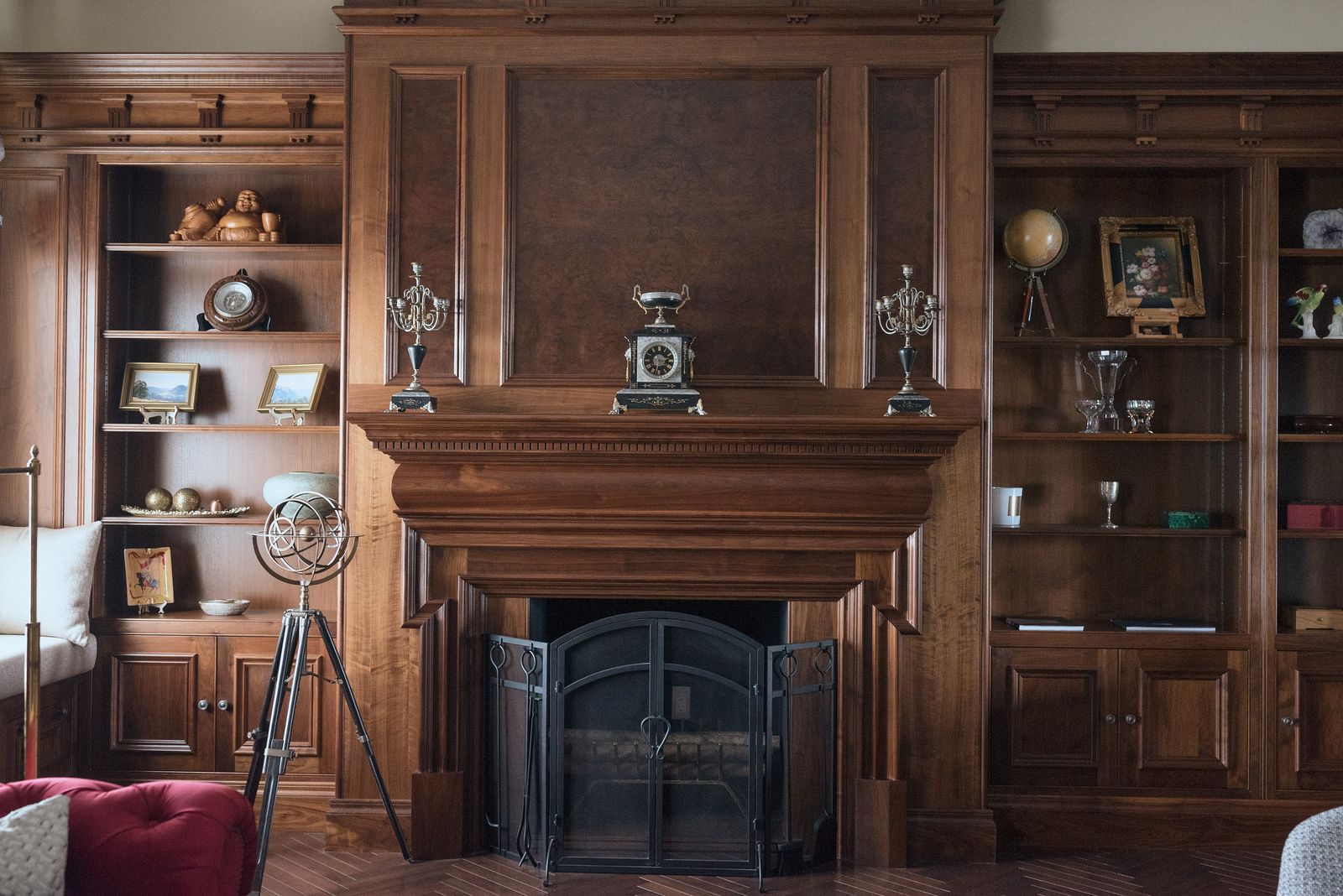
Dining rooms and libraries, panelled from floor to ceiling.
Doors and cabinetry
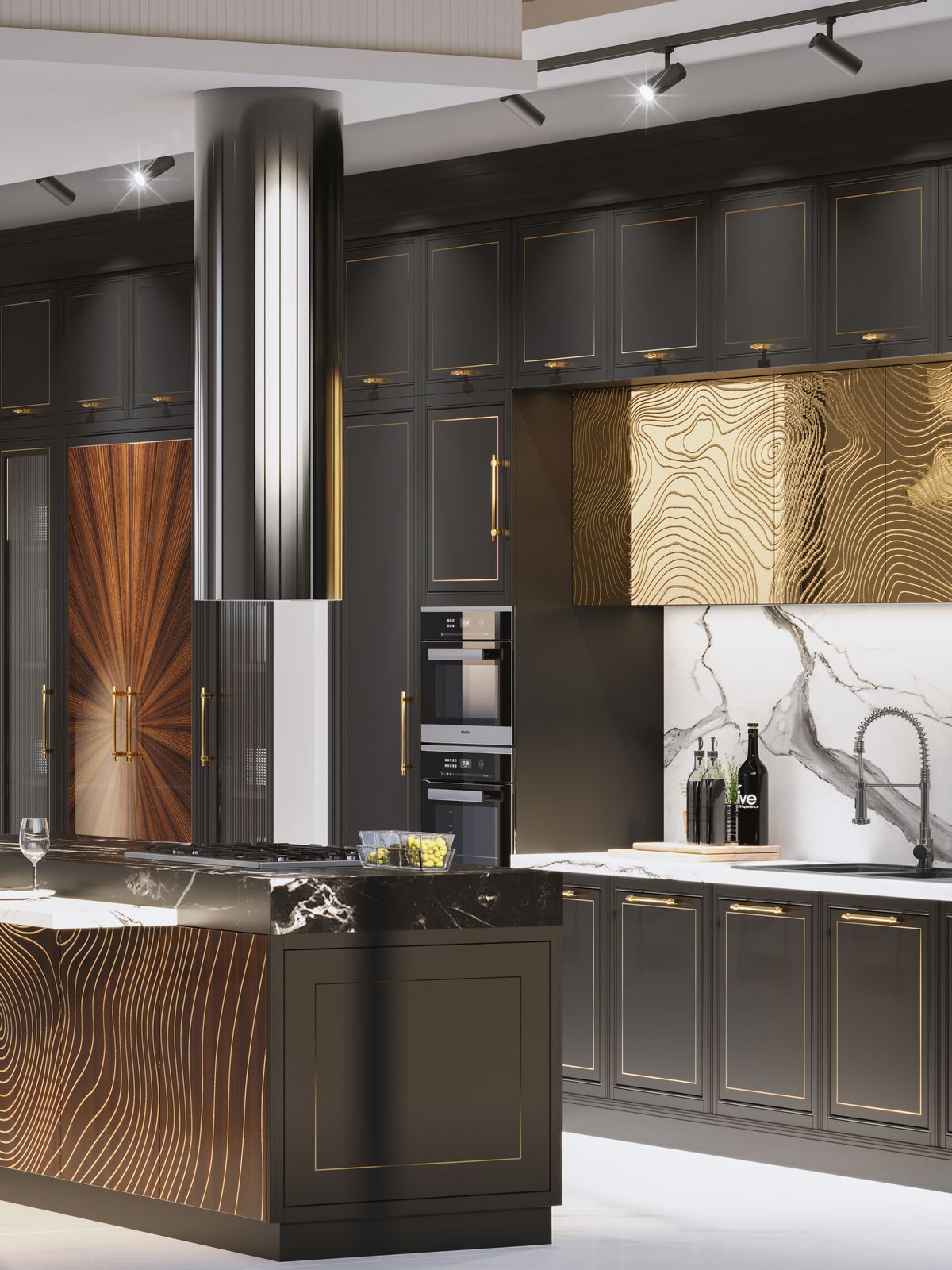
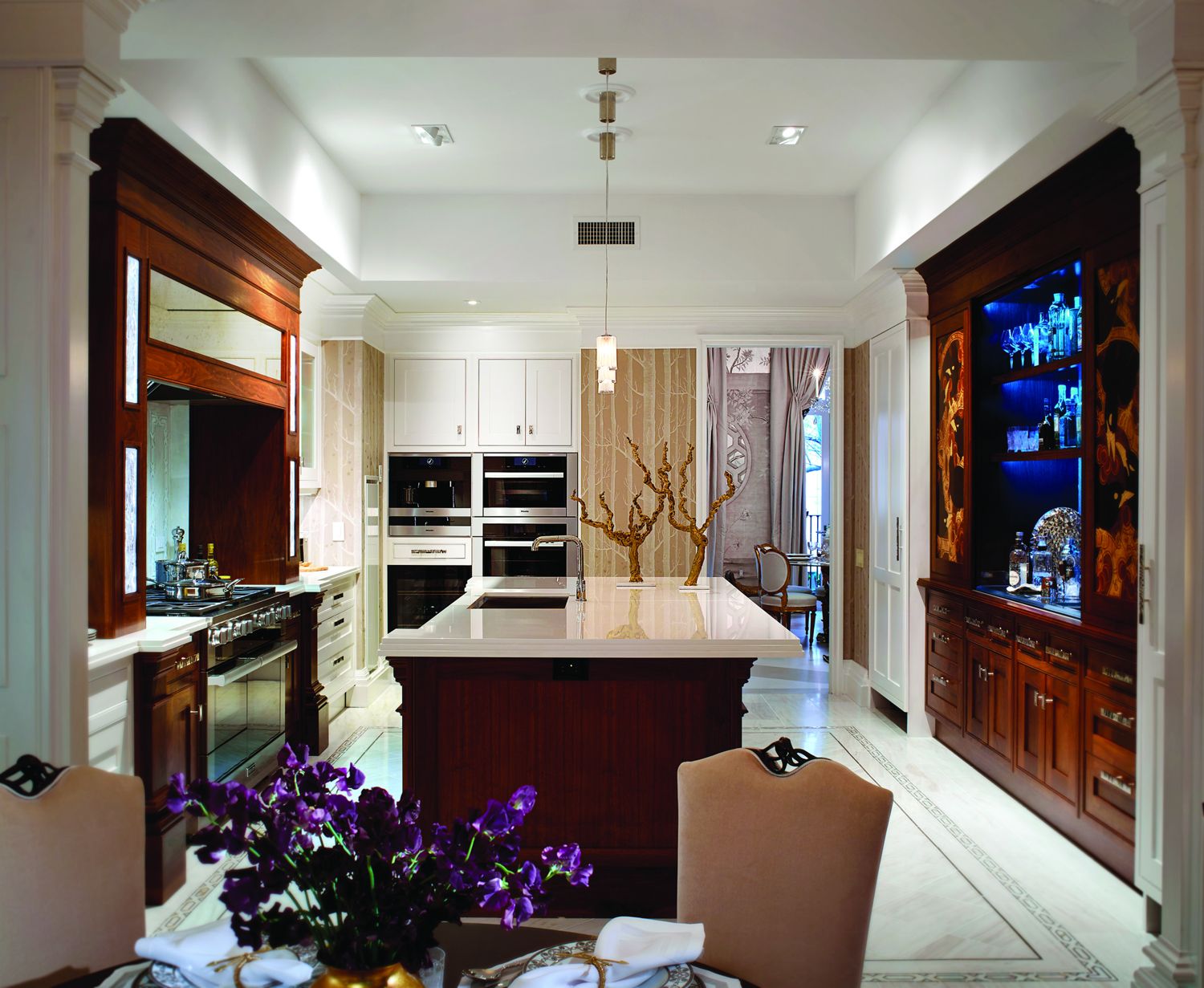
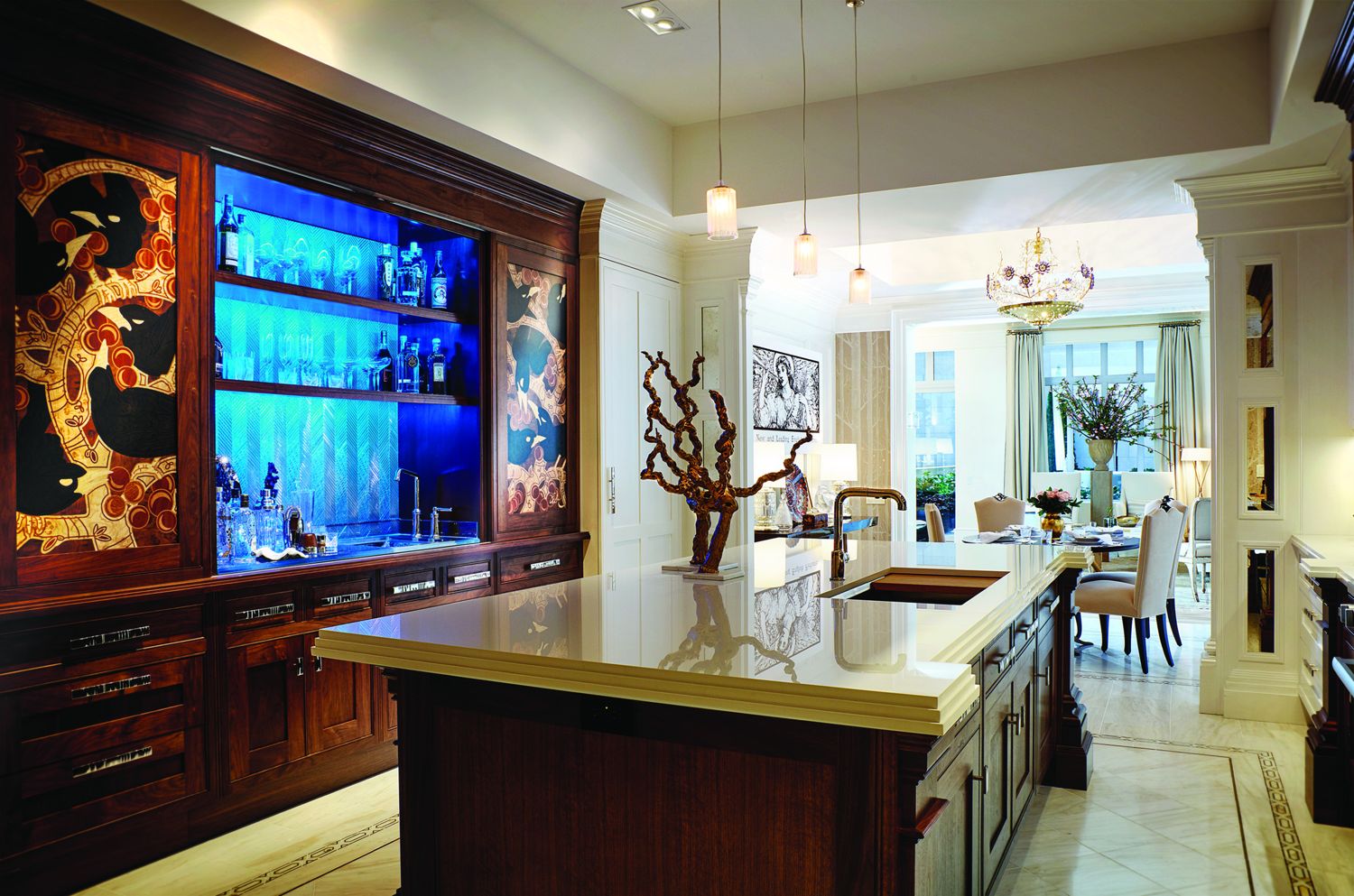
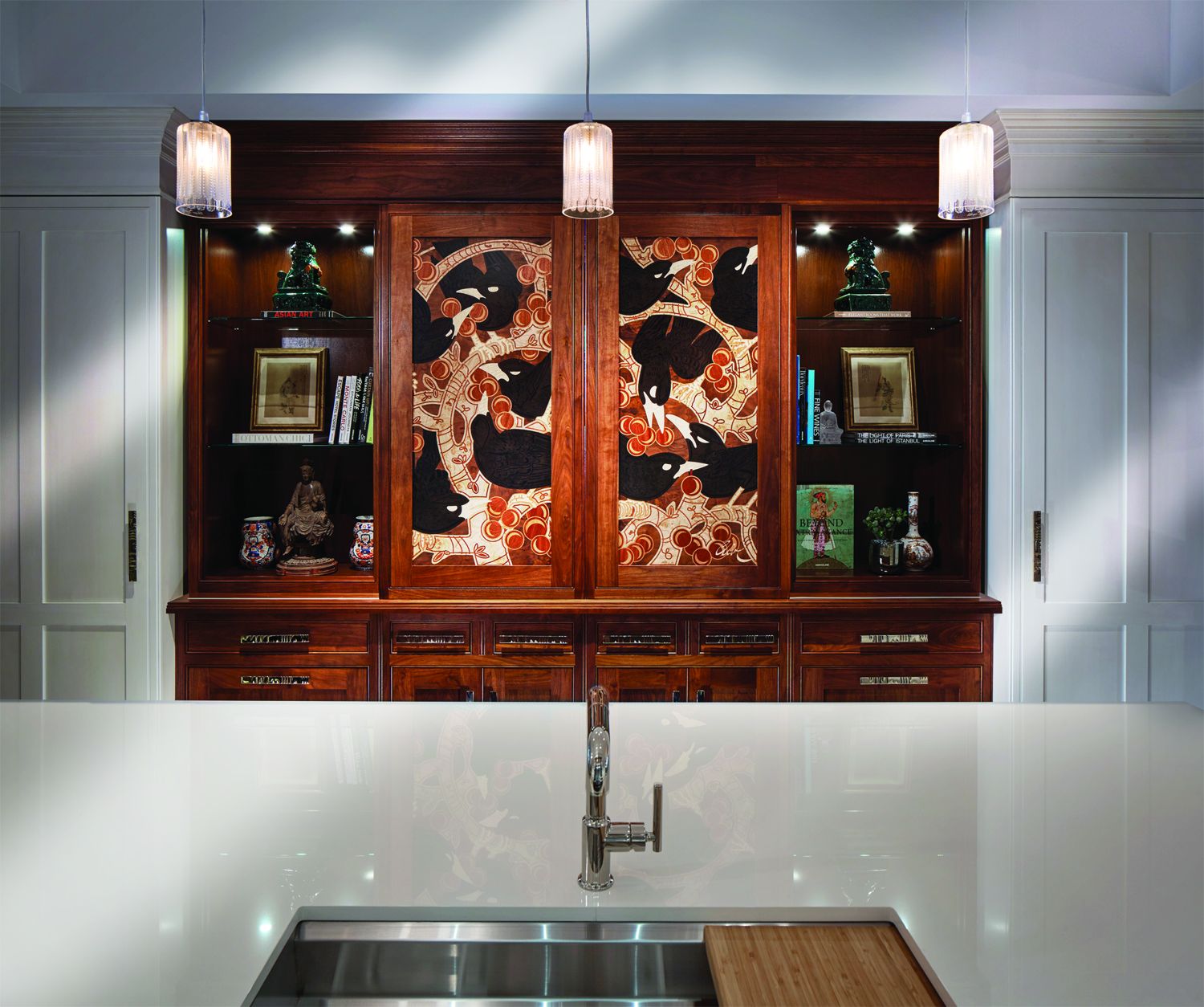
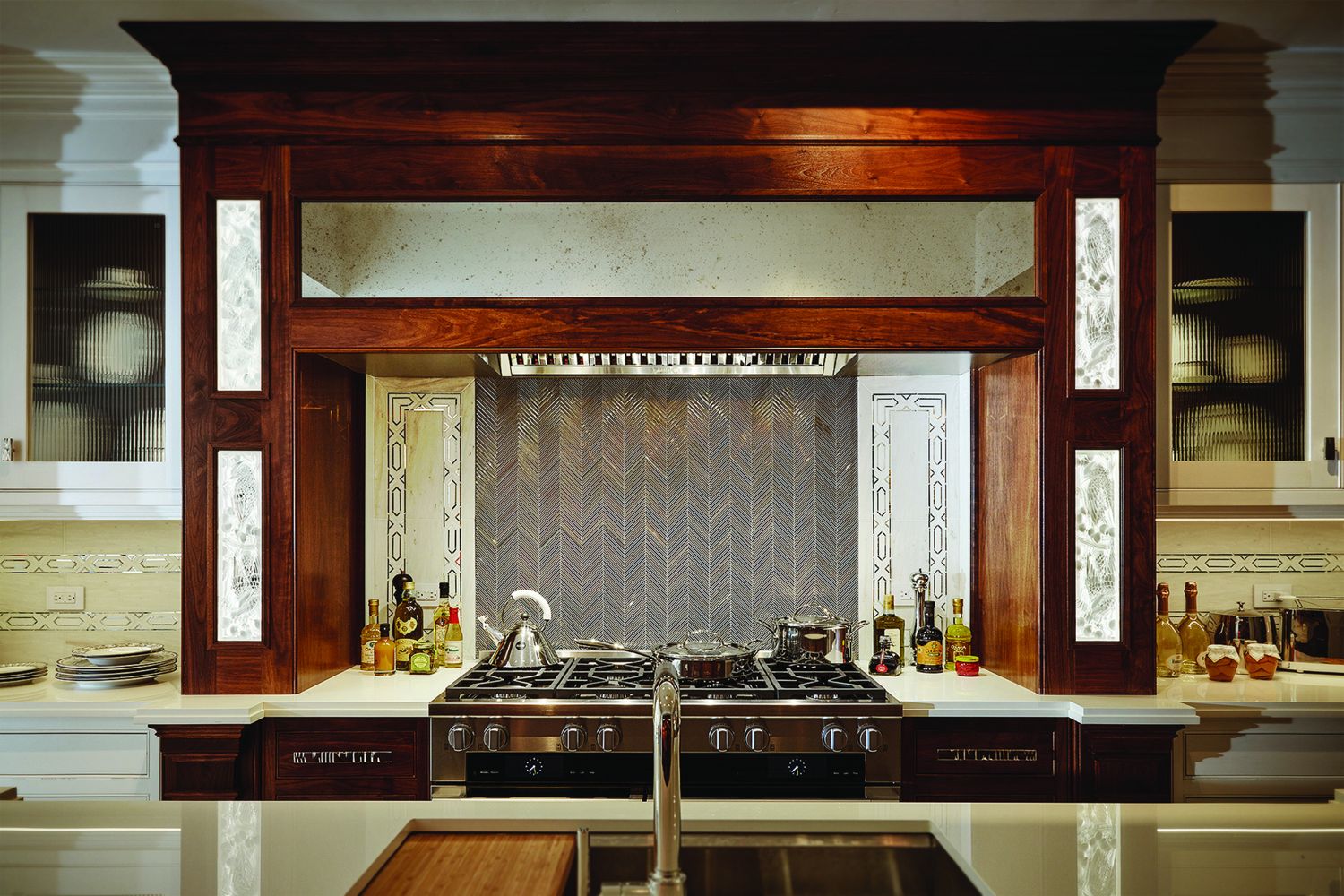
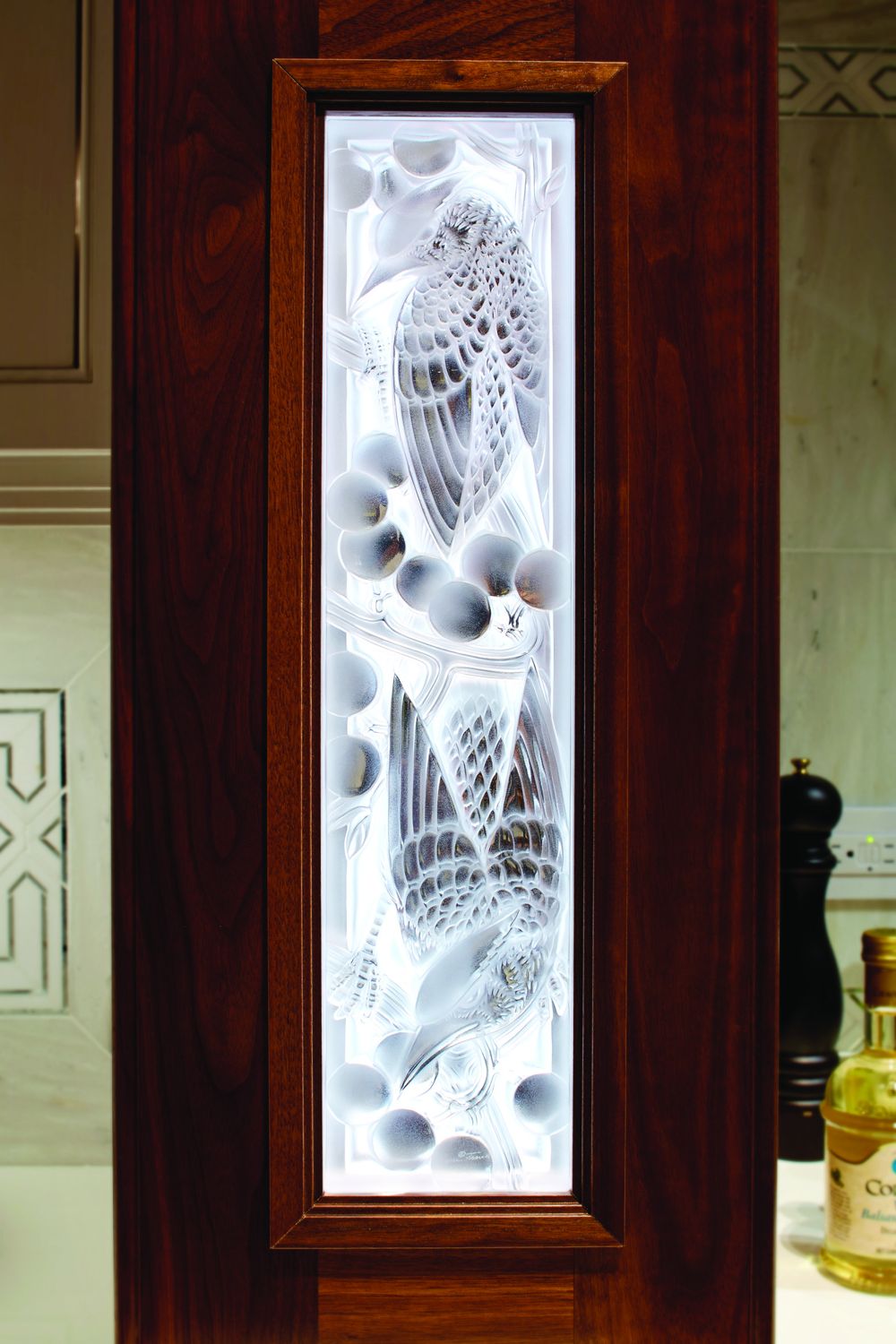
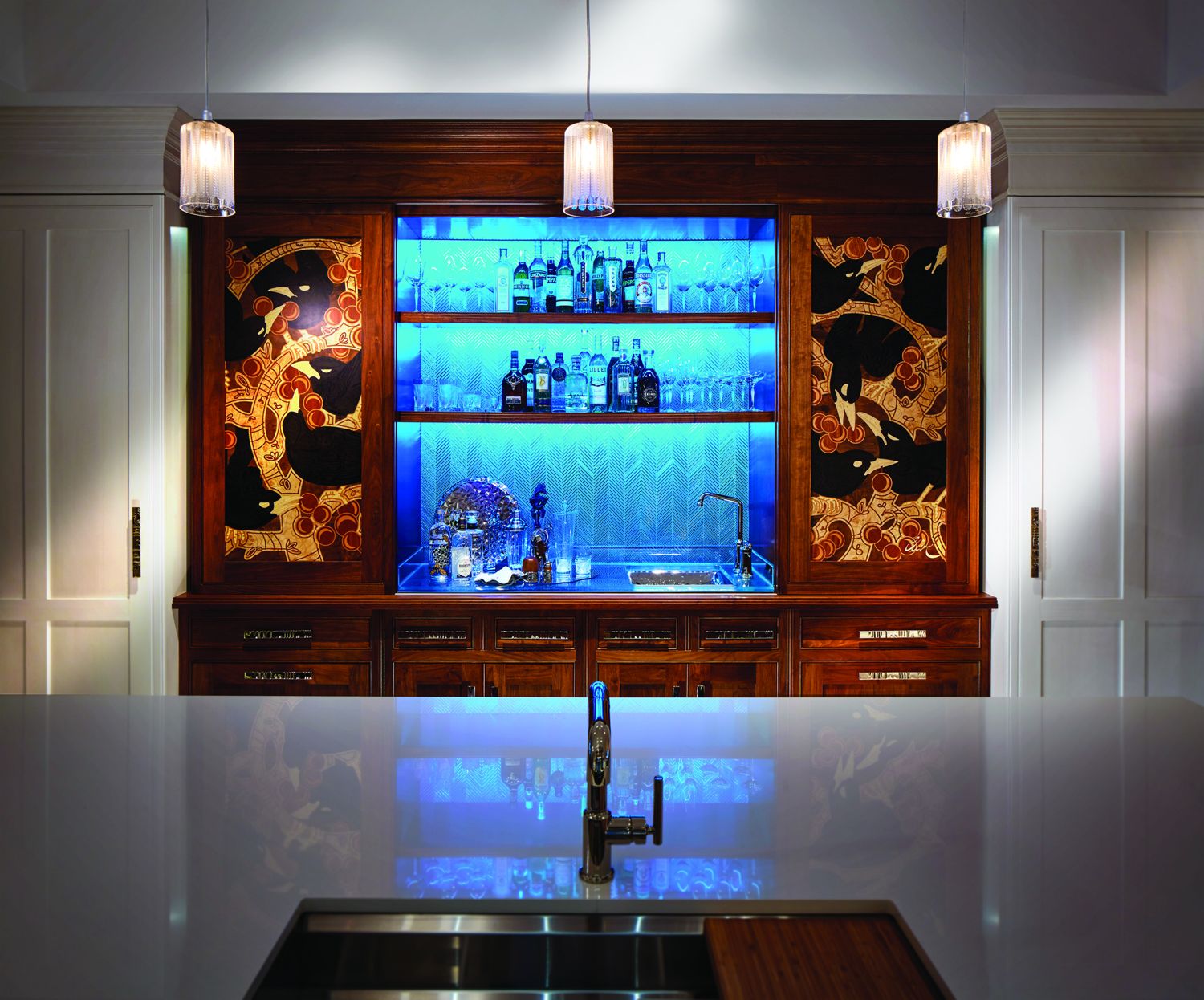
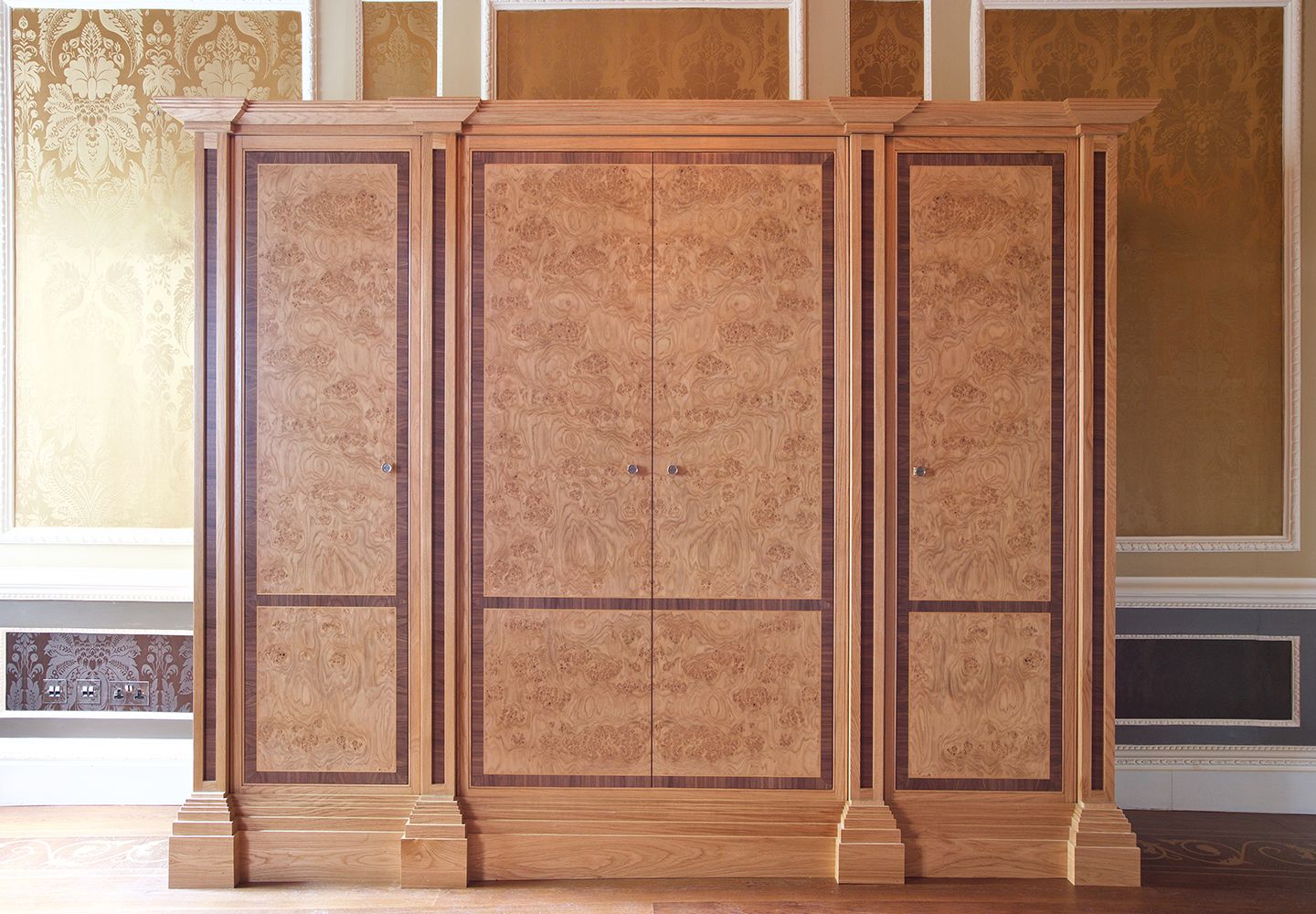
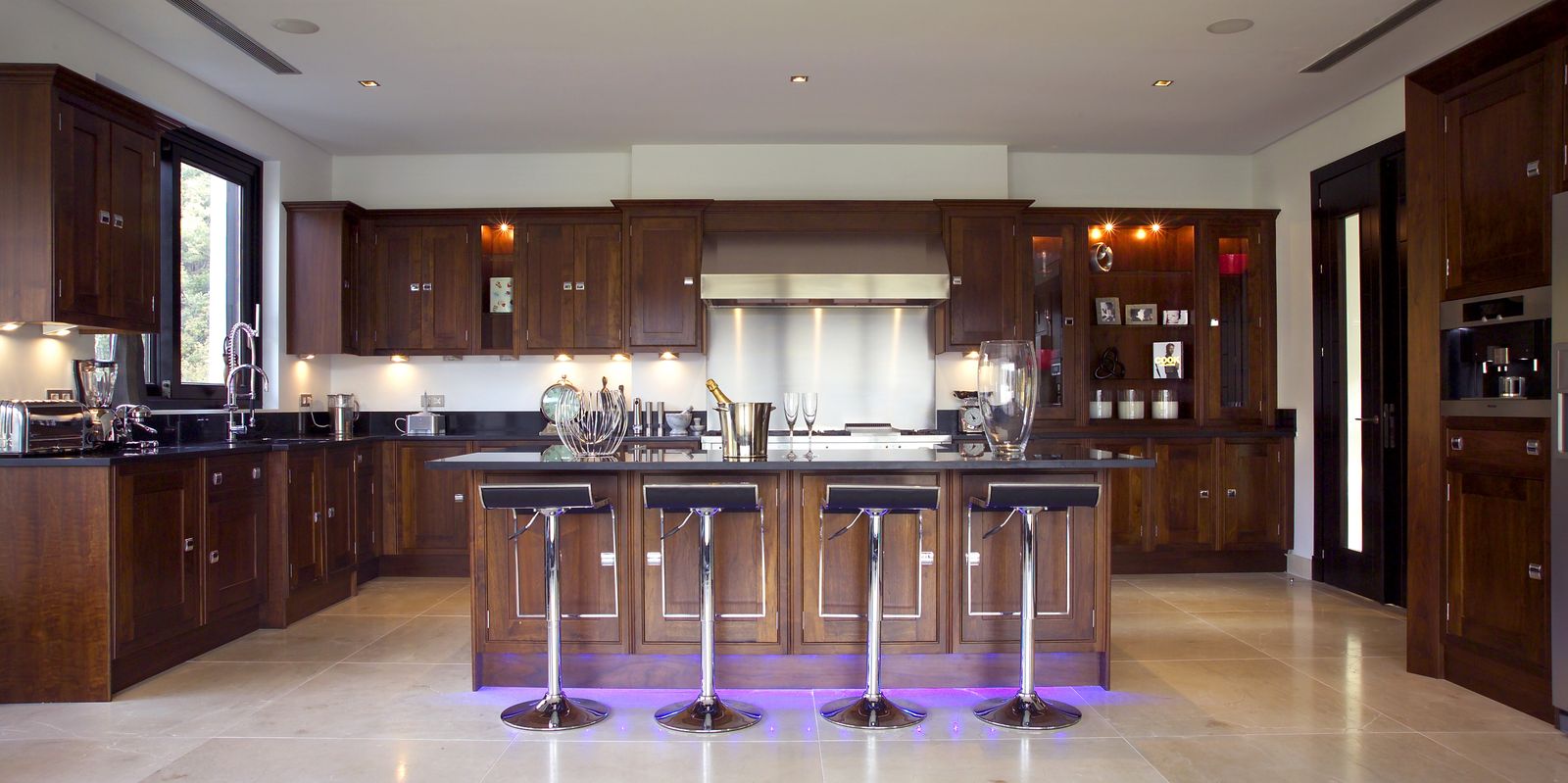
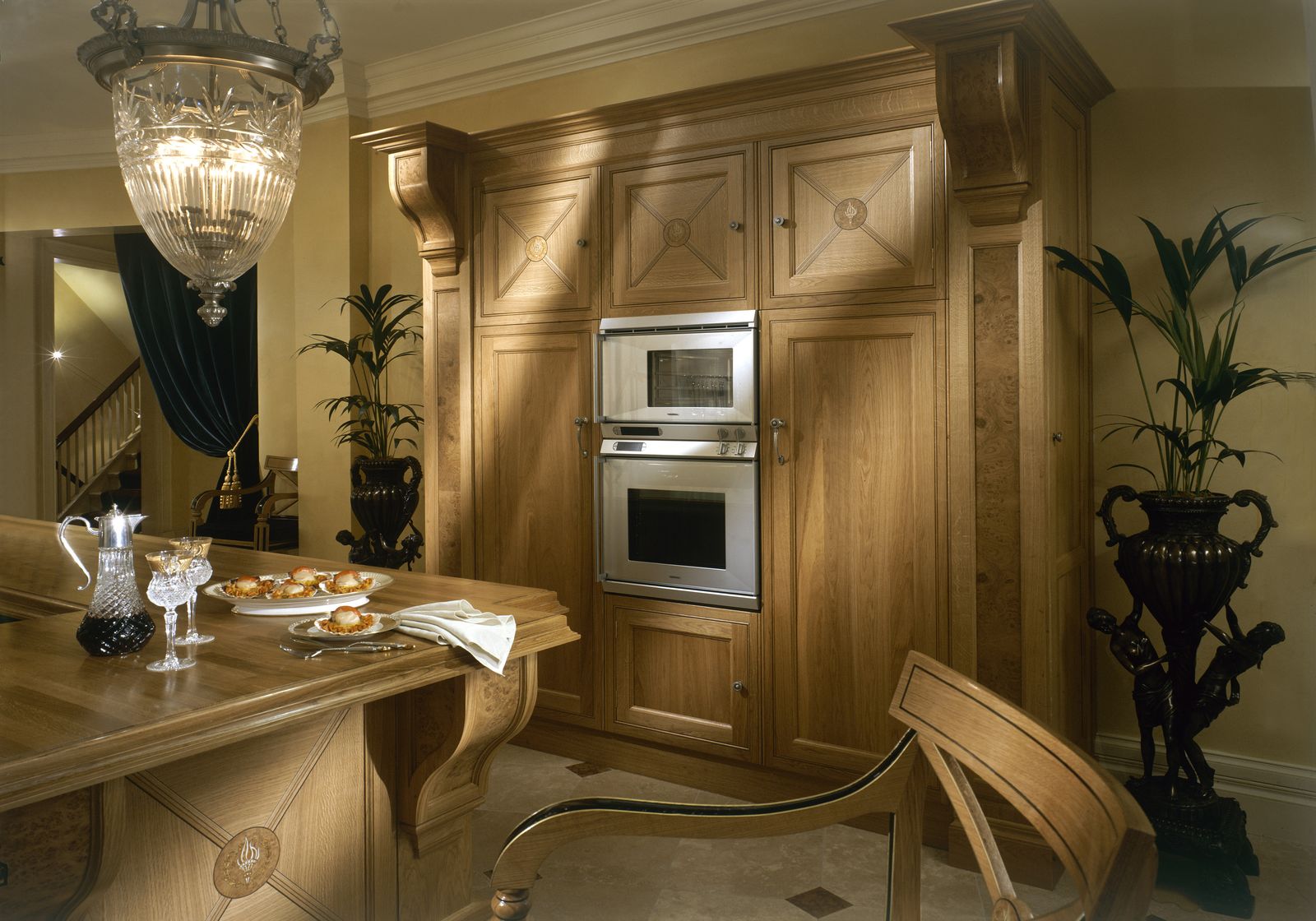
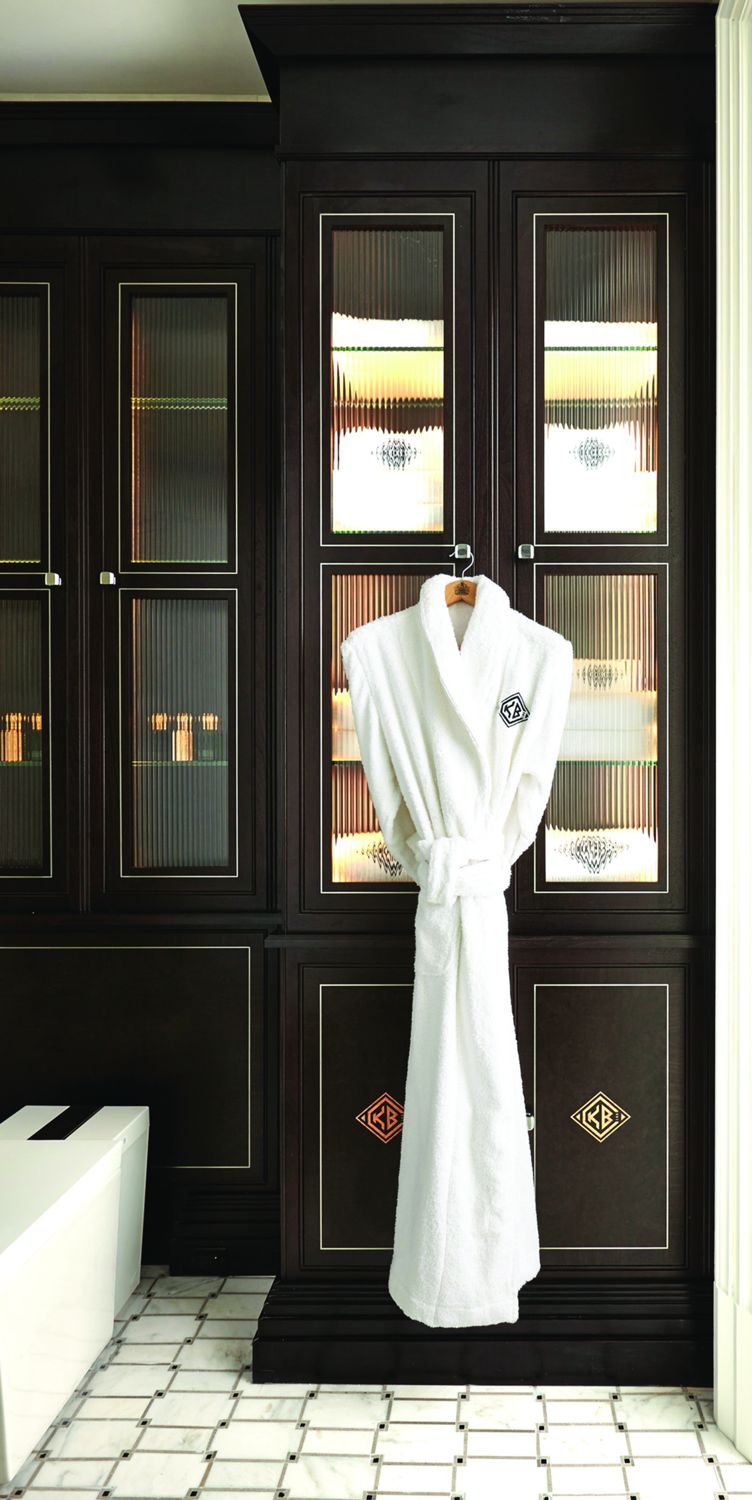
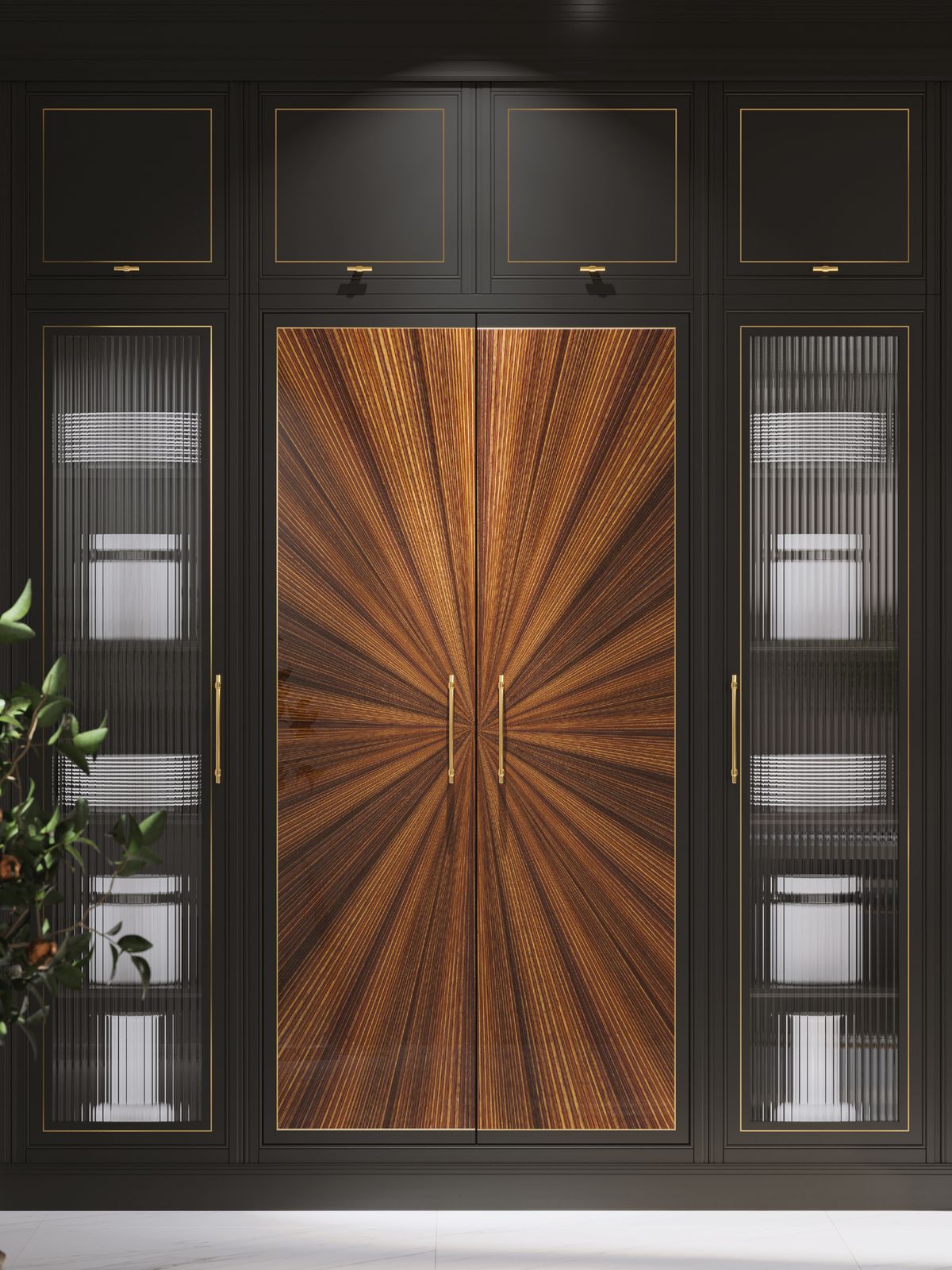
Walnut cabinetry with marquetry doors, closed when the room is not on show.
Tables and floors
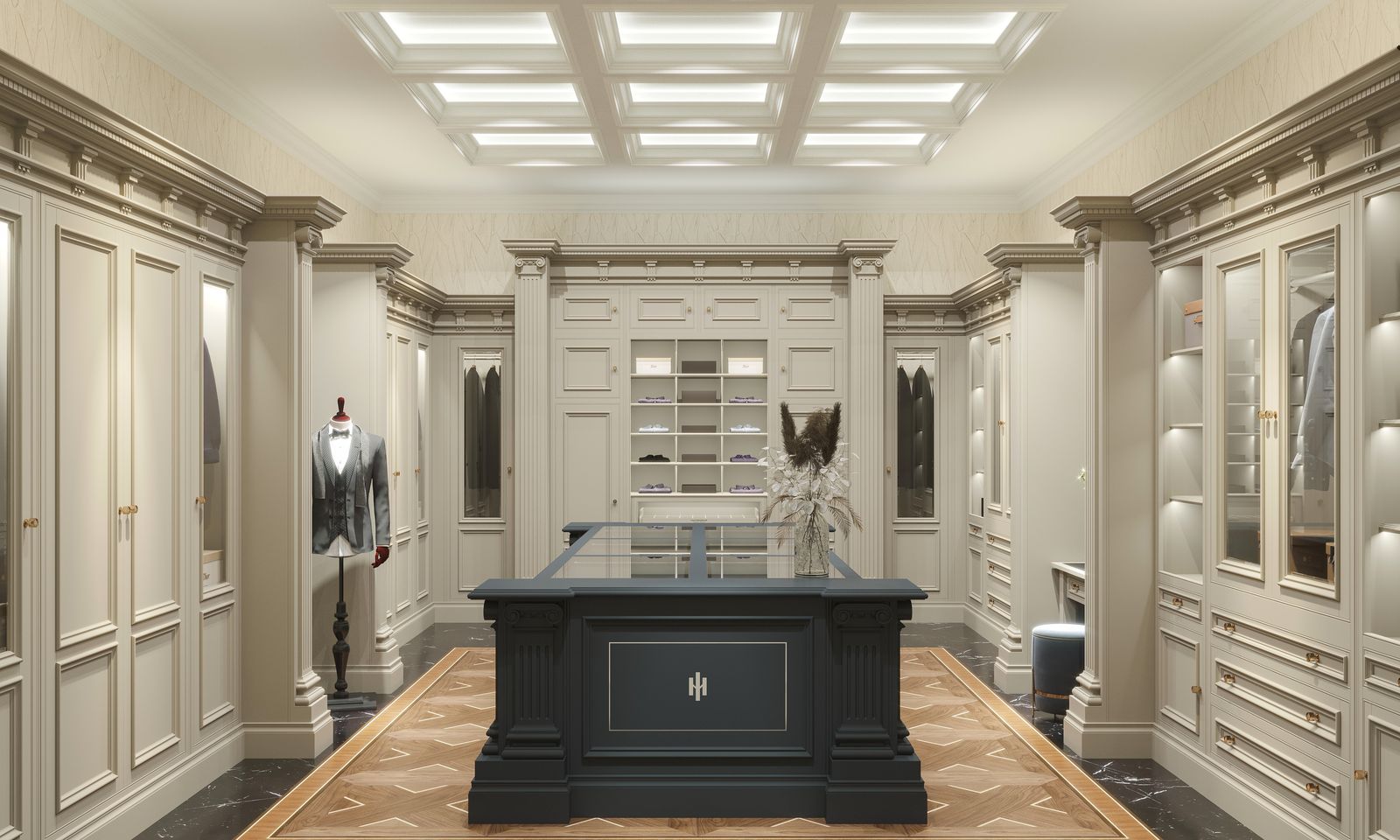
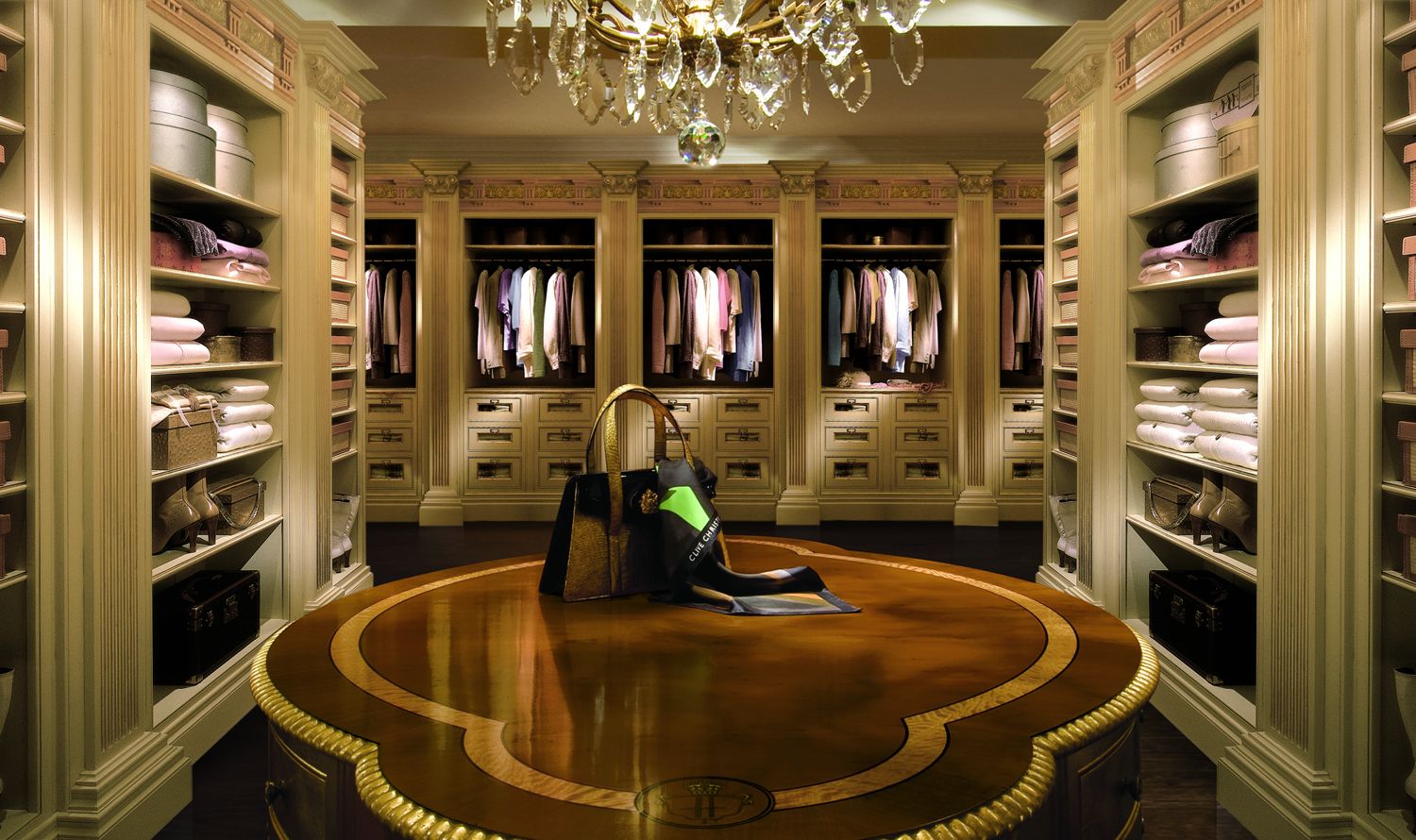
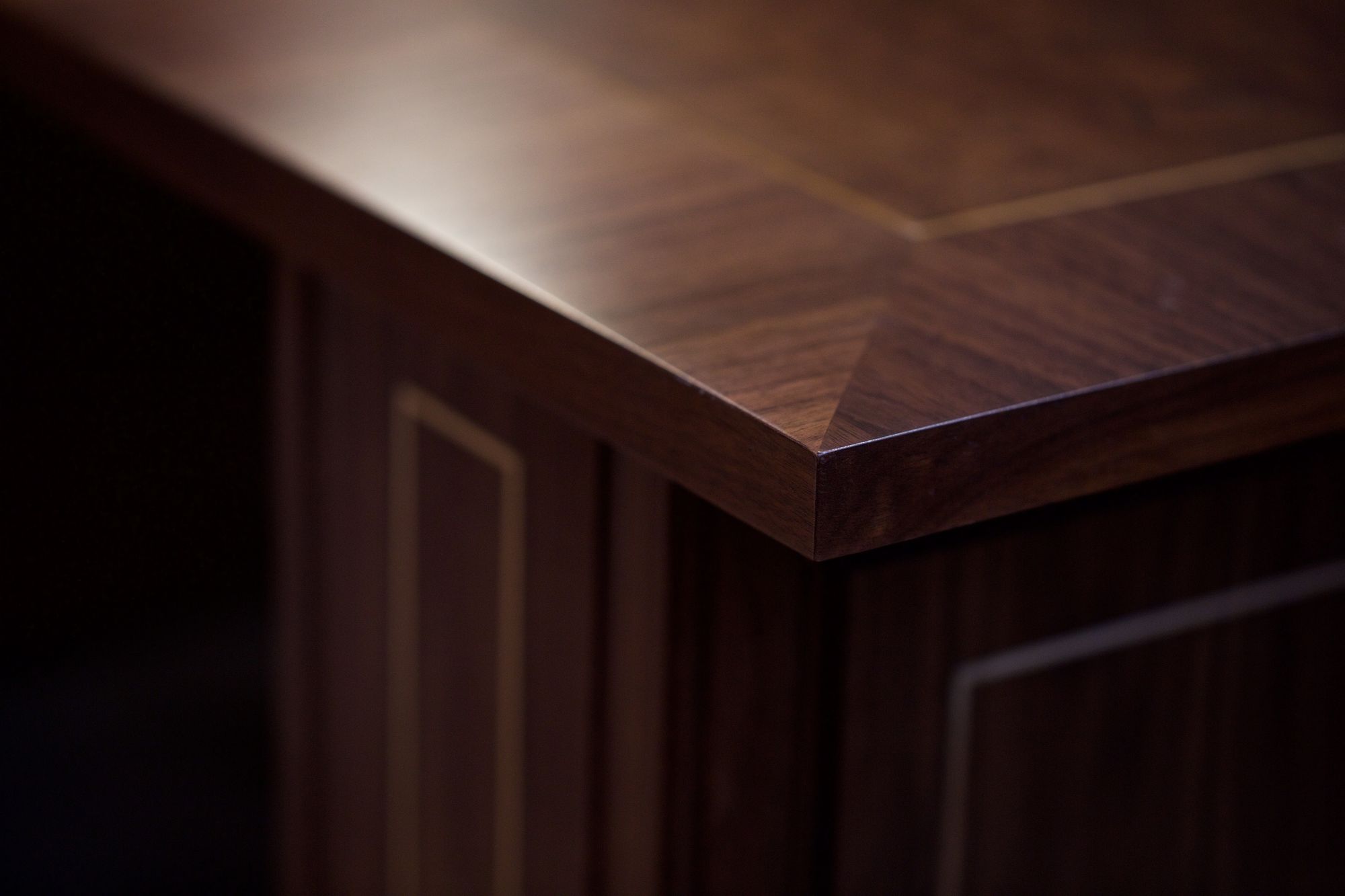
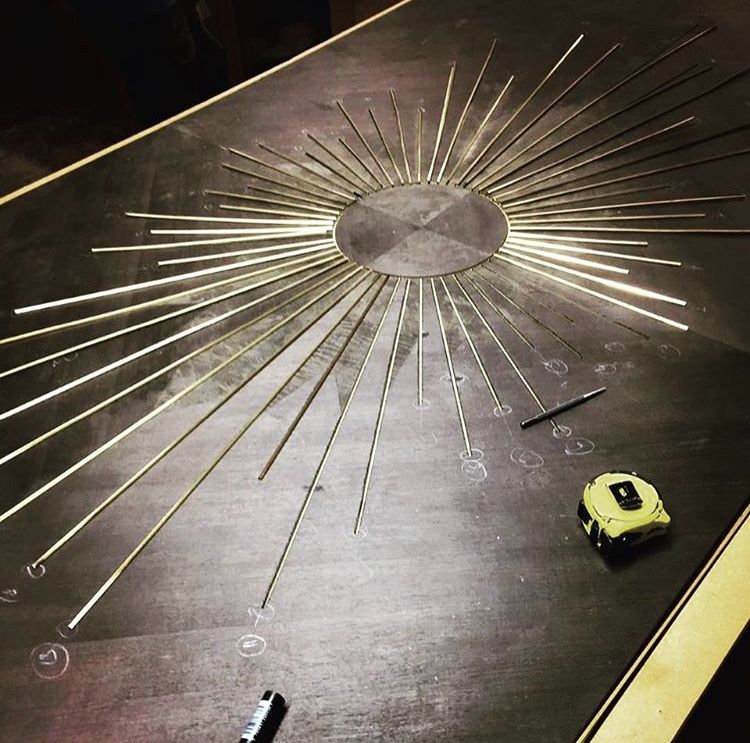
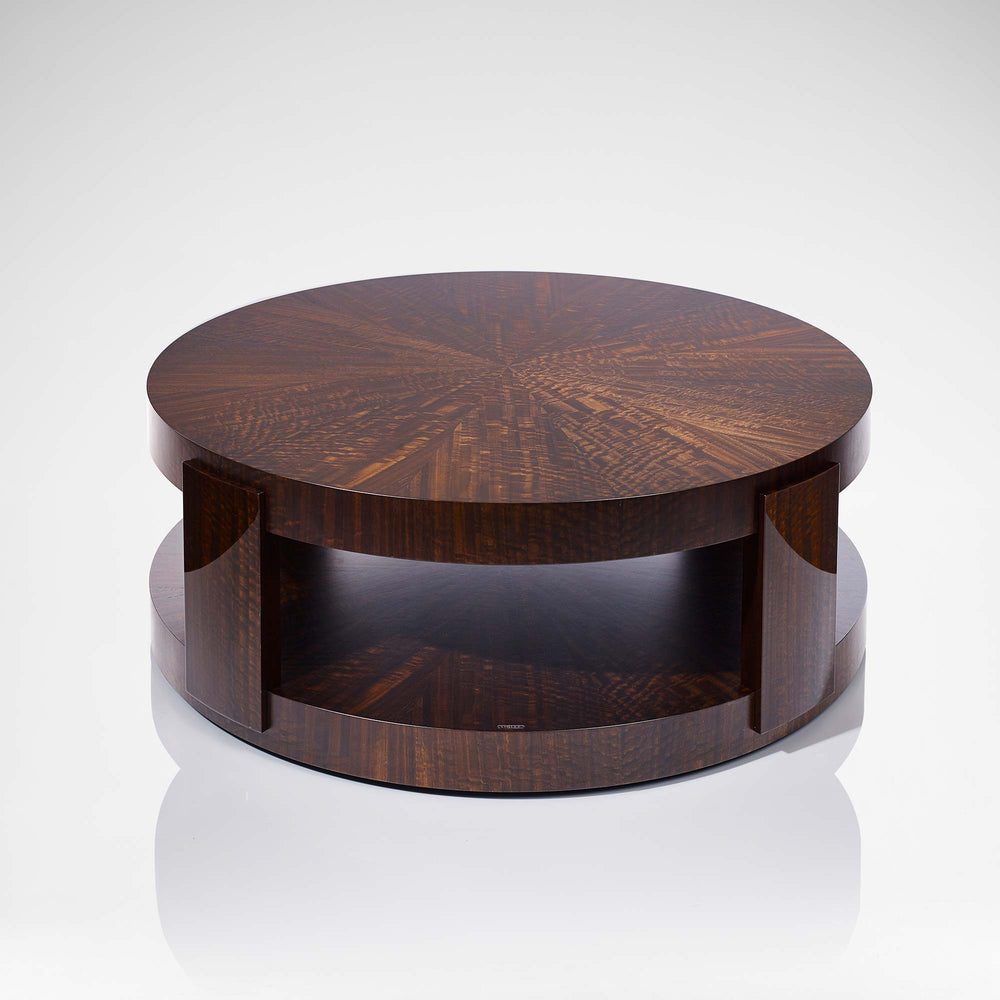
Table tops and floors laid with a sunburst or a line of inlay.
Pieces you can order.
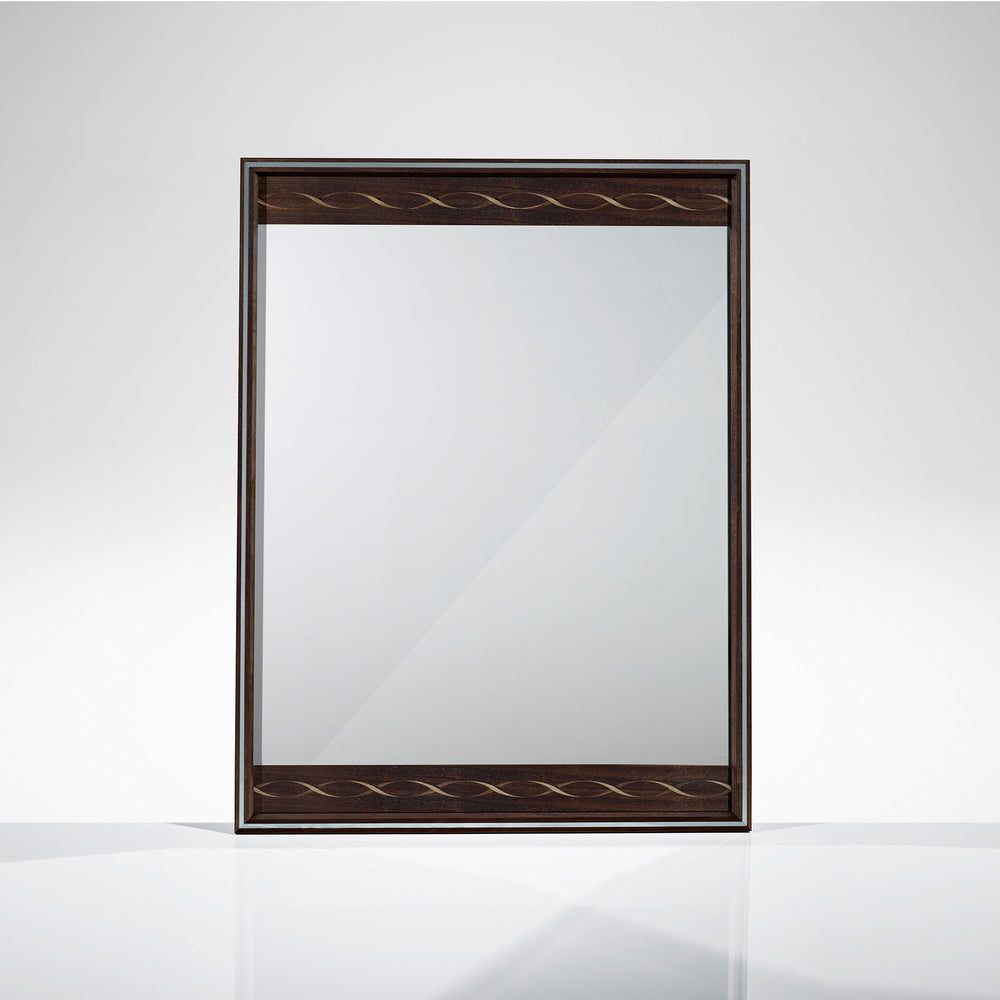
Some are ready to view in the showroom. Others are made to order for a room.
Visit the workshop, by appointment.
Bring a plan or a photograph of the room. We will look at the wall together.
Book a visit